 Corporate Brand Activations
Guerrilla Marketing and Brand Activations in India
Discover how guerrilla marketing, brand activations and experiential marketing help brands create memorable customer experiences, generate engagement and drive measurable results.
Introduction
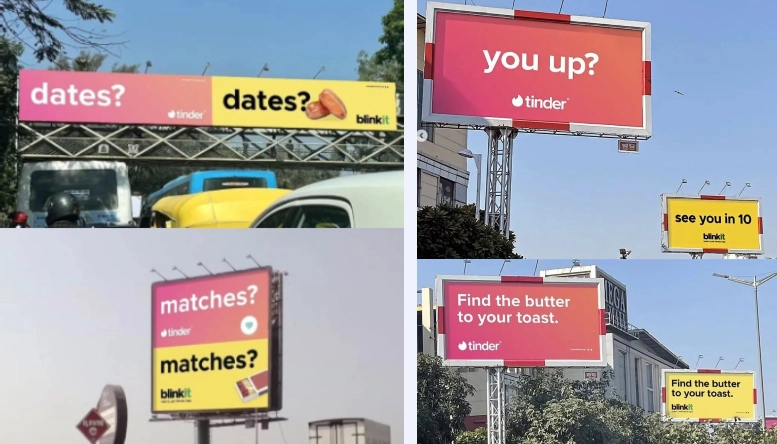
Consumers are surrounded by advertisements across social media, search engines, television, outdoor media, apps and streaming platforms. With so many brands competing for attention, simply placing another advertisement in front of an audience is often not enough. Brands increasingly need to create something people can experience, participate in and remember.
This is where guerrilla marketing, brand activations and experiential marketing become powerful tools.
Instead of relying entirely on one-way communication, these approaches bring brands into the physical and social environments where consumers already spend time. A product can be demonstrated at a mall, a new service can be introduced through an interactive roadshow, or a brand can create an unexpected public installation that encourages people to stop, participate and share the experience.
The broader growth of live experiences in India reflects this shift. Recent industry reporting has highlighted the rapid expansion of India's live-events economy and the increasing role of experiential marketing in creating direct connections between brands and consumers.
This article explains what guerrilla marketing means, how it connects with BTL Marketing and Brand Activations, the types of campaigns brands can create, how to measure results and what businesses should consider before launching an unconventional activation.
What Is BTL Marketing?
BTL, or Below-The-Line marketing, refers broadly to targeted marketing activities designed to communicate directly with specific audiences rather than relying primarily on mass-media advertising.
Examples include product demonstrations, sampling campaigns, exhibitions, retail promotions, roadshows, events, direct marketing and on-ground brand activations.
The strength of BTL Marketing lies in its ability to place a brand closer to the consumer. Instead of simply showing someone an advertisement for a product, a campaign can allow that person to touch the product, test it, ask questions, participate in a game or receive a sample.
This makes BTL particularly useful when the marketing objective involves interaction, trial, lead generation or conversion.
Experiential marketing takes this idea further by designing an entire experience around the brand rather than treating the physical interaction as a simple promotional activity.
What Is Guerrilla Marketing?
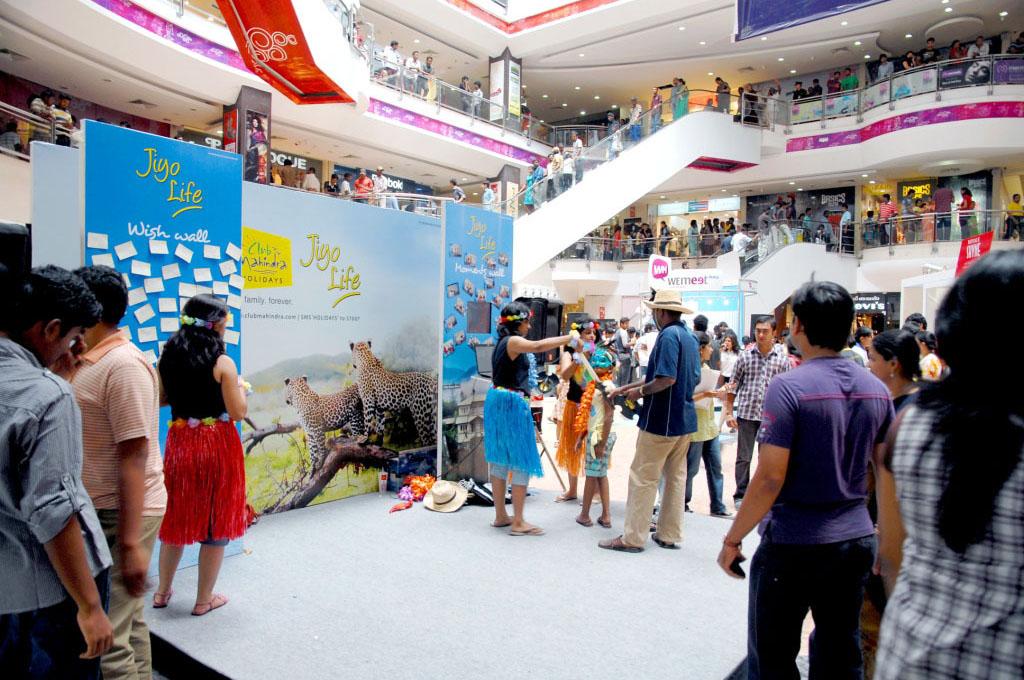
Guerrilla marketing is an unconventional approach that uses creativity, surprise and unexpected interactions to capture attention. The concept was popularized by marketing writer Jay Conrad Levinson, whose 1984 book introduced guerrilla marketing as an alternative approach to conventional advertising.
Cambridge Dictionary describes guerrilla marketing as using unusual methods to attract attention, often through relatively low-cost activities in public places.
However, guerrilla marketing should not simply be understood as "cheap marketing."
Its real advantage is creative efficiency.
A relatively simple idea can become highly visible if it is unexpected, relevant and easy for people to understand or share. A cleverly designed installation, street interaction, product demonstration or public challenge can create a stronger reaction than another conventional advertising message.
The most effective guerrilla campaigns therefore combine surprise with a clear brand purpose.
Guerrilla Marketing vs Experiential Marketing
The two concepts are closely related but are not identical.
Experiential marketing focuses on creating meaningful interactions between consumers and brands. Guerrilla marketing focuses more heavily on unconventional execution, surprise and attention.
A mall activation where consumers test a product through an interactive game is primarily an experiential activation. If the same experience unexpectedly appears in an unusual public environment and generates curiosity because people did not expect to encounter it there, it can also become a guerrilla marketing campaign.
In other words, guerrilla marketing can be used as a creative execution within a broader experiential marketing strategy.
Both approaches aim to move consumers from passive viewers to active participants.
Why Are Brand Activations Becoming More Important?
A digital advertisement can reach thousands of people, but a physical interaction can create a different type of relationship.
When consumers participate in a brand experience, they can see the product in action, interact with representatives, ask questions and form an emotional association with the brand.
This is particularly valuable for products or services that benefit from demonstration.
For example, a technology company can create an interactive product demo instead of displaying a static poster. An automobile brand can organize a driving simulator or product experience zone. A food brand can offer sampling. A real estate company can create an immersive property walkthrough.
The experience becomes the communication.
It also creates opportunities for content. Visitors may photograph an installation, record a video, participate in a challenge or share their experience on social media. This can extend the campaign beyond the physical location.
Popular Types of Guerrilla Marketing and Brand Activations
Street and Public-Space Activations
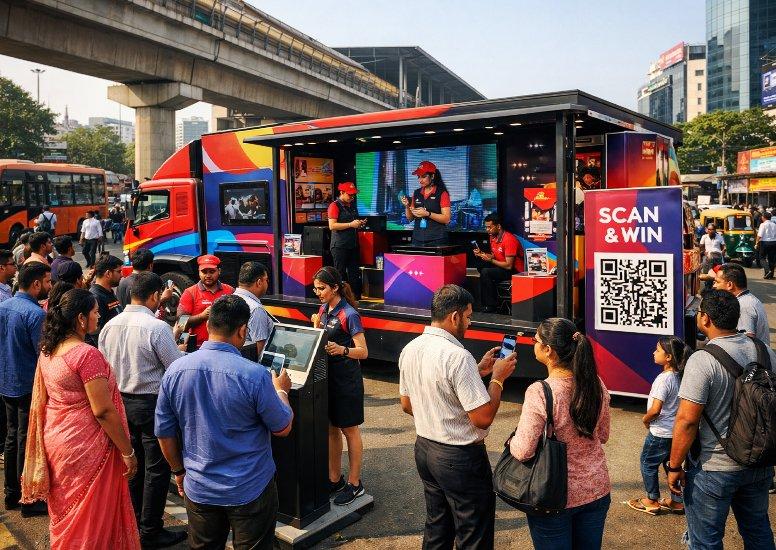
Street-level campaigns can transform ordinary environments into unexpected brand experiences.
Creative installations, interactive structures, branded challenges, temporary art pieces and surprise demonstrations can encourage pedestrians to stop and investigate.
The key is relevance. A creative installation should not feel like an unrelated spectacle. The audience should be able to understand the connection between the experience and the brand.
Mall Activations
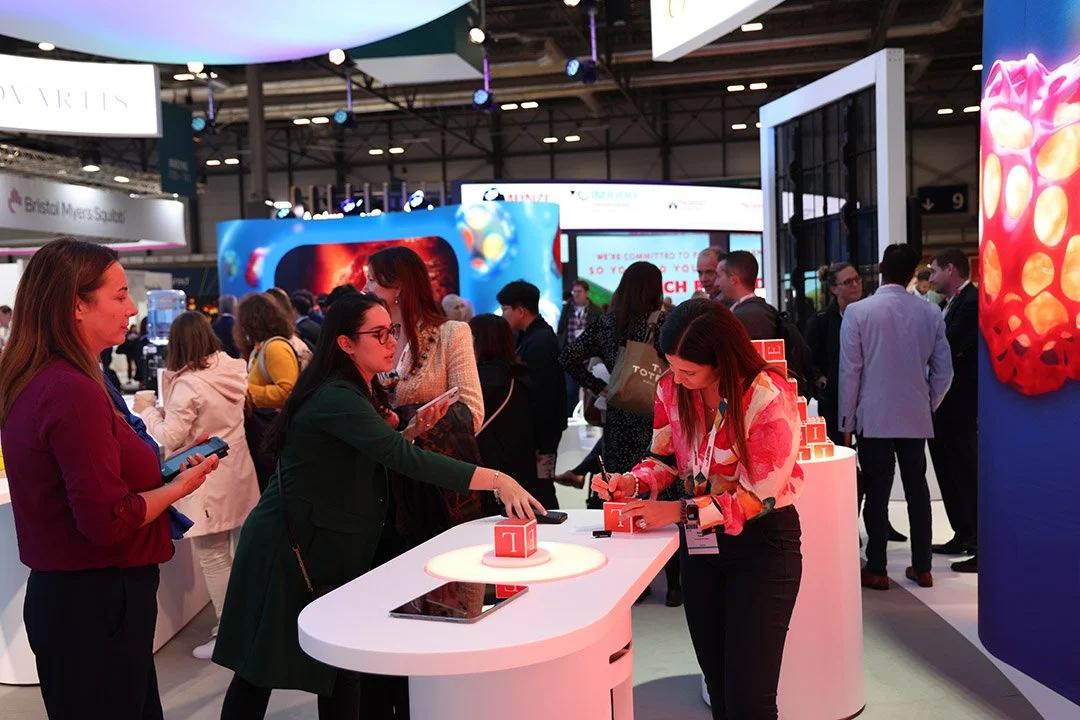
Shopping malls provide controlled environments with high pedestrian traffic.
Brands can create product demonstrations, interactive games, selfie installations, sampling zones, contests and immersive experiences designed around specific audience segments.
For example, a consumer electronics company could create a gaming challenge where visitors test a new device, while a lifestyle brand could create a personalized photo or AI experience.
Society and Community Activations
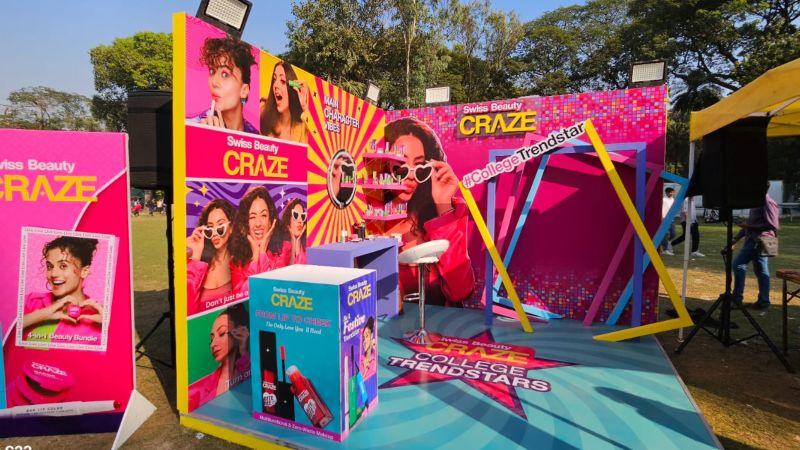
Residential communities can be valuable for brands targeting families, homeowners and local decision-makers.
A brand can organize demonstrations, sampling activities, children's engagement zones, wellness experiences or interactive games within residential communities, subject to venue permissions.
The advantage is focused audience targeting rather than relying on broad advertising reach.
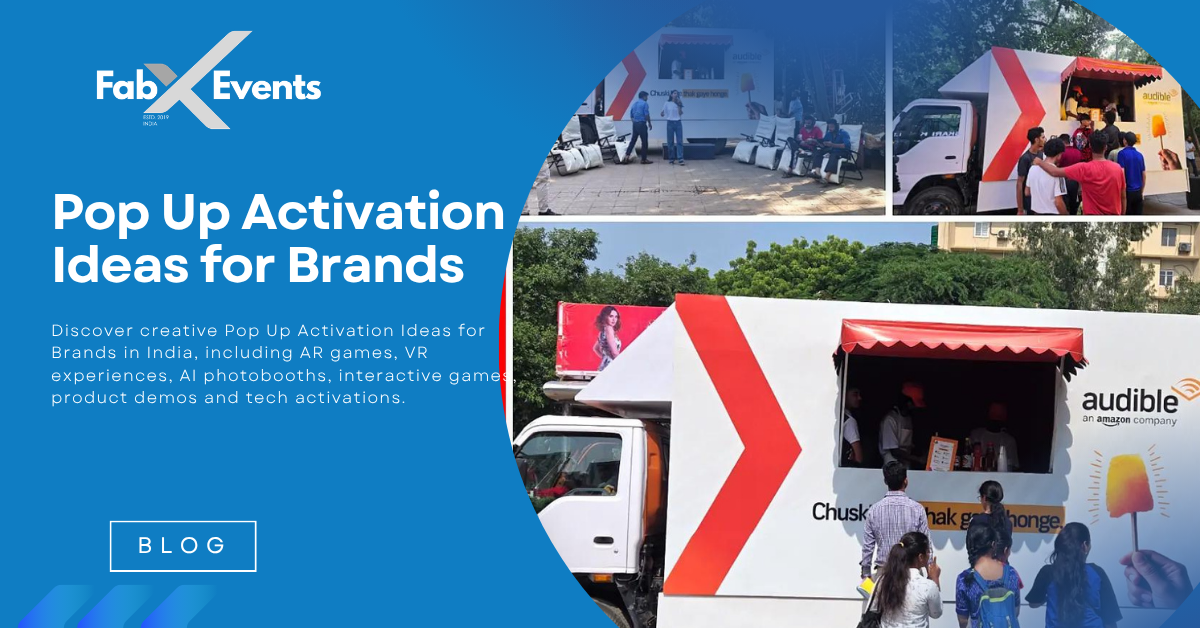
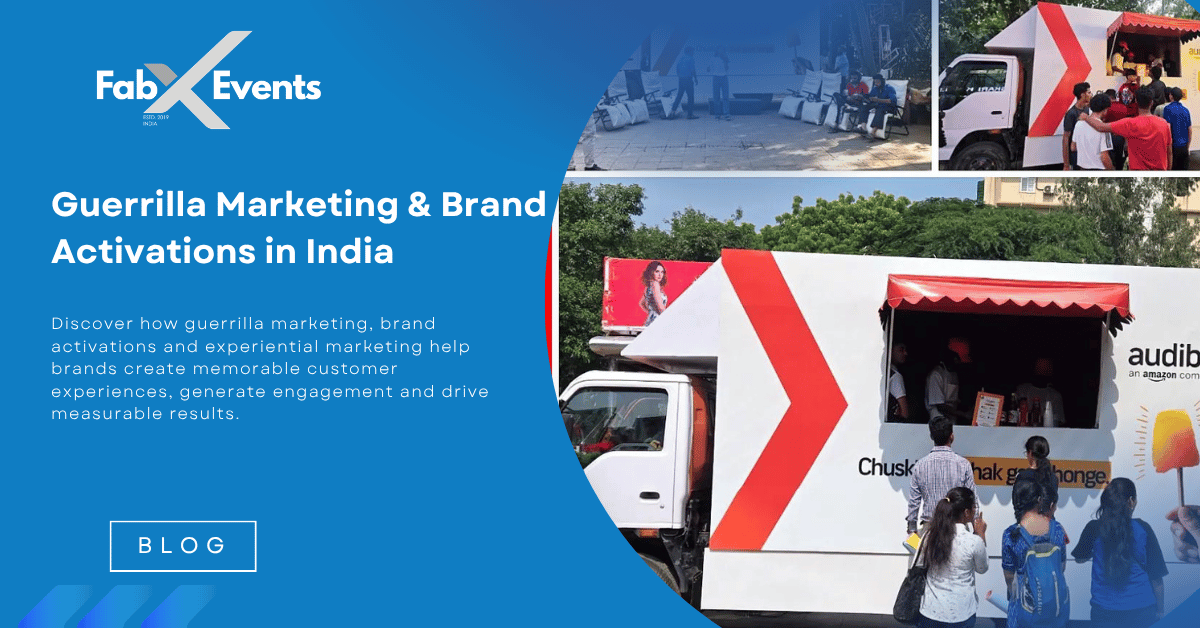
Roadshows and Mobile Activations
Roadshows allow brands to take the experience to multiple locations.
Branded vehicles, LED vans, mobile experience zones and demonstration units can travel through selected markets according to a planned route.
This format is especially useful when a brand wants to build awareness across several neighbourhoods, cities or regional markets.
Interactive Games
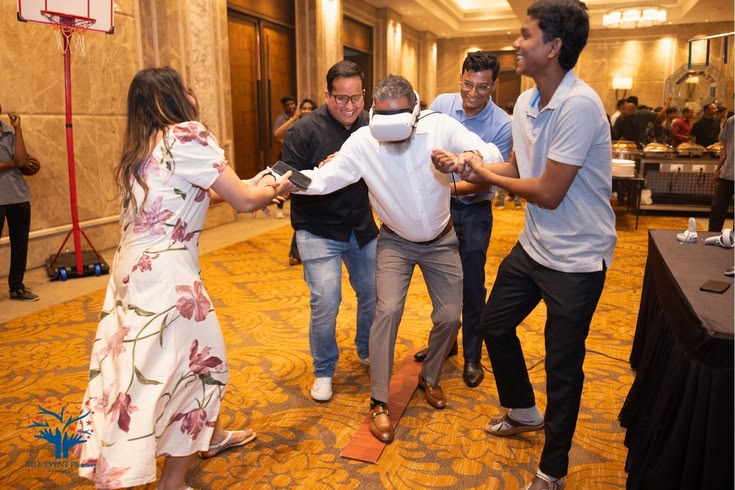
Games can turn an ordinary promotion into a participation-driven experience.
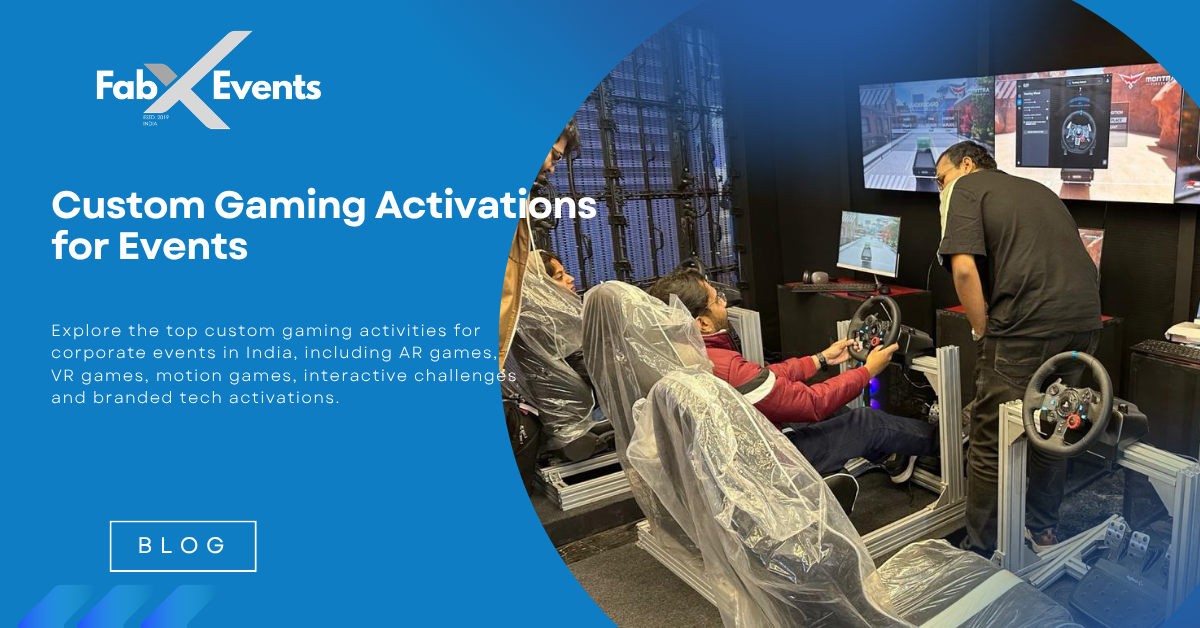
Reaction games, quizzes, skill challenges, racing simulators, sports simulations and digital competitions can encourage people to spend more time with the brand.
Gamification can also make engagement measurable through participation counts, scores, registrations and lead forms.
AR and VR Activations
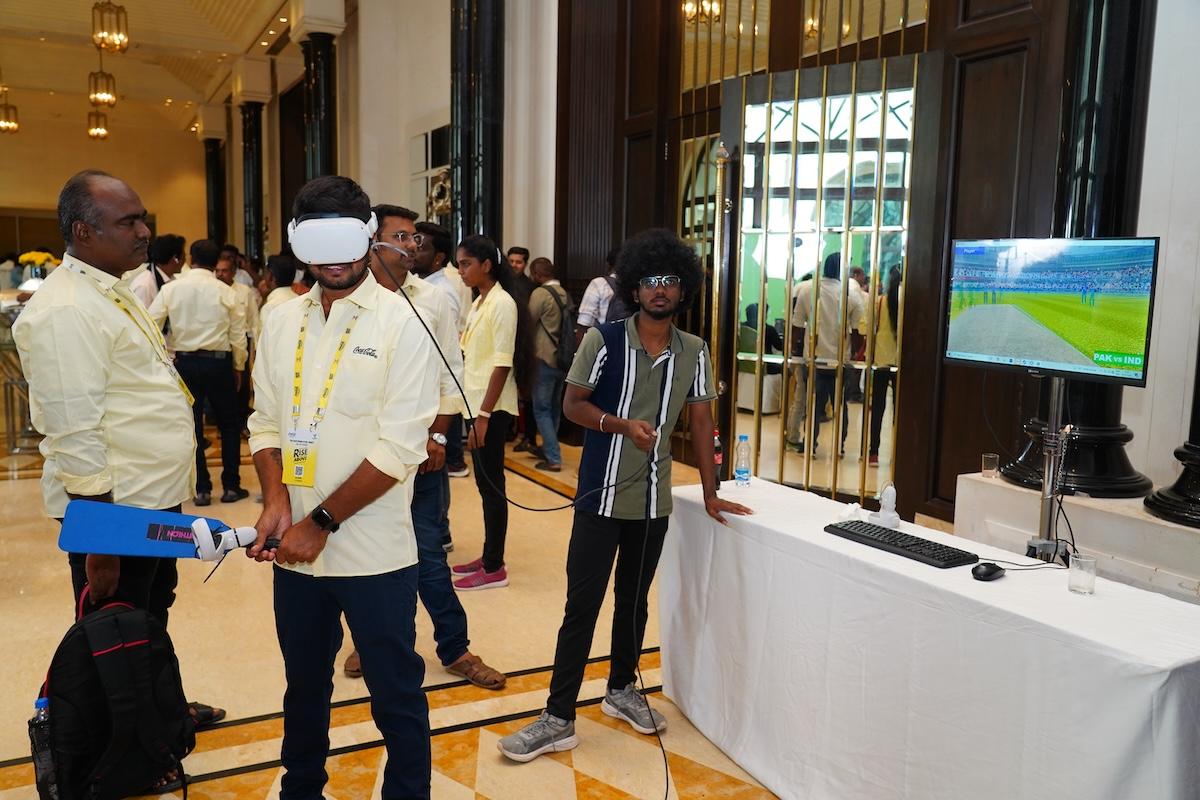
Technology has significantly expanded the possibilities for experiential campaigns.
VR Activations can transport consumers into virtual environments, while augmented reality can overlay digital content onto physical surroundings.
A real estate company could use VR to let customers explore an apartment before construction is complete. An automobile brand could provide a virtual driving experience. A healthcare company could create an interactive anatomy demonstration.
These experiences can make complex products easier to understand while creating strong visual moments for events and campaigns.
Pop-Up Brand Experiences
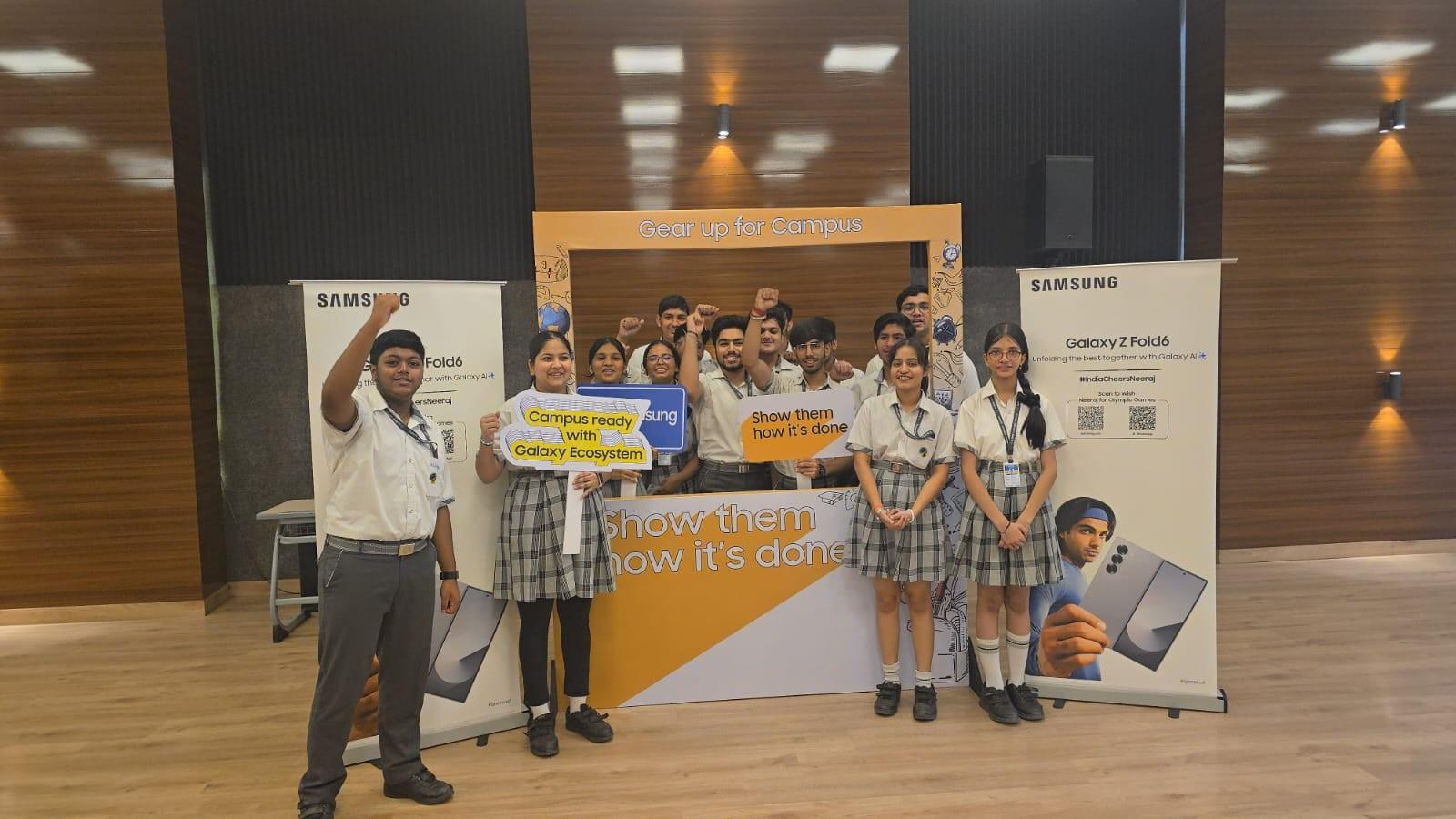
Temporary pop-ups can create urgency because consumers know the experience is available for only a limited period.
A pop-up can combine product demonstrations, retail, entertainment, sampling, workshops, games and social-media-friendly installations.
The temporary nature itself can become part of the campaign message.
How to Design an Effective Guerrilla Marketing Campaign
A successful campaign should begin with the marketing objective rather than the installation.
The first question should be: what should the audience do after experiencing the campaign?
The answer could be trying a product, registering for a service, visiting a store, scanning a QR code, generating a lead, sharing content or simply remembering the brand.
Once the desired action is established, the audience and location can be defined.
The next step is to create a concept that connects the brand message with an experience. This is where creativity becomes important. The experience should be simple enough to understand quickly but interesting enough to encourage participation.
Execution then needs to consider fabrication, staffing, technology, permissions, safety, branding, logistics and reporting.
The strongest campaigns connect all these elements rather than treating creativity and execution as separate activities.
The Role of Experiential Marketing in Corporate Activations
Experiential marketing is not limited to consumer brands.
Corporate Activations can be used for conferences, dealer meets, employee engagement programmes, product launches, exhibitions, leadership events and industry gatherings.
A corporate technology company, for example, might create an immersive innovation zone where visitors explore AI, robotics, VR or digital-twin applications.
At a dealer meet, interactive product demonstrations can help partners understand new features. At a conference, gamified engagement stations can encourage networking and lead capture.
The experience should always reflect the audience. A corporate audience may respond better to meaningful demonstrations, simulations and professional interactive content than to entertainment without a clear purpose.
Making BTL Marketing More Measurable
One of the advantages of modern BTL Marketing is the ability to combine physical interaction with digital tracking.
A campaign can use QR codes, registration forms, unique coupon codes, digital contests and lead-capture systems to connect offline engagement with measurable actions.
Important metrics can include reach, footfall, participation, product trials, leads, registrations, QR scans, coupon redemptions, social mentions, user-generated content and conversions.
For example, a mall activation might attract 5,000 visitors but generate only 50 meaningful leads. Another activation may attract fewer people but generate 300 qualified enquiries.
Therefore, campaign success should not be judged by footfall alone.
The correct KPI depends on the objective.
Common Mistakes in Guerrilla Marketing
The first mistake is prioritizing shock value over brand relevance.
A campaign may attract attention but fail if consumers cannot remember which company created it.
Another common mistake is creating an experience that looks impressive but does not encourage participation. An attractive structure is not automatically an effective activation.
Poor planning can also damage an otherwise strong concept. Permissions, crowd management, power requirements, weather conditions, technology support and safety should be addressed before deployment.
Finally, brands should avoid assuming that every unconventional campaign will become viral. Social sharing is an opportunity, not a guarantee.
A campaign should be successful even without going viral.
How Technology Is Changing Brand Activations
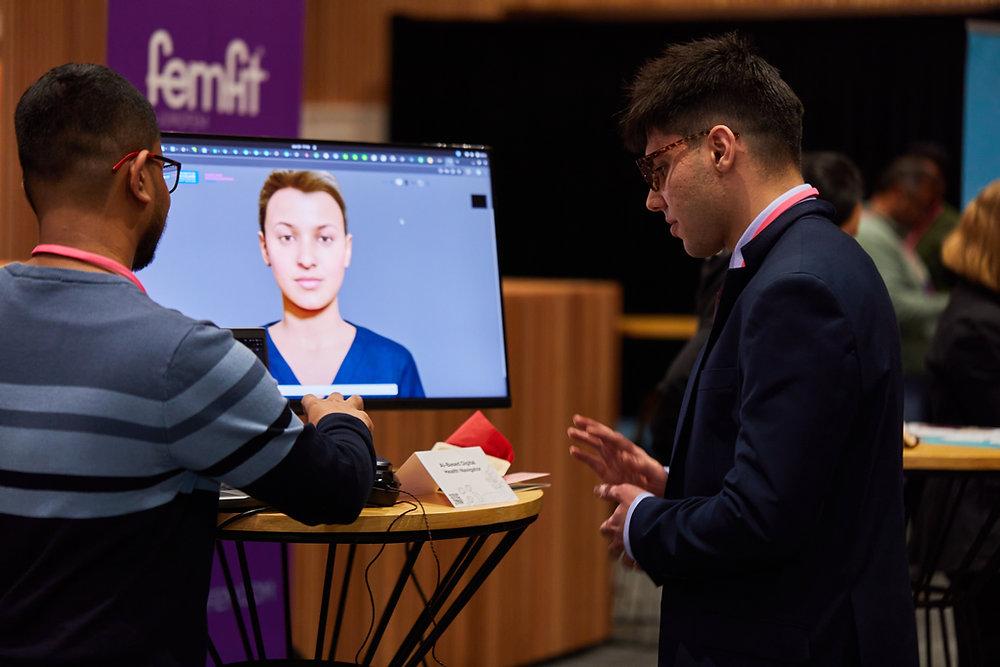
The future of experiential marketing is increasingly connected to digital technology.
AI-generated experiences, interactive displays, VR Activations, augmented reality, motion tracking, digital games, social walls, holographic displays and personalized content can make physical campaigns more interactive.
Personalization is particularly interesting. Instead of presenting identical content to every visitor, technology can allow an experience to respond to individual choices.
For example, a visitor could scan a QR code, select an interest and receive a customized product recommendation or digital takeaway.
This combination of physical and digital engagement can extend a campaign beyond the event location.
Guerrilla Marketing in India: What Brands Should Consider
India offers a diverse environment for on-ground marketing, from large malls and corporate parks to residential communities, college campuses, exhibitions and high-footfall commercial areas.
However, every location has its own permissions, operational requirements and audience characteristics.
A campaign that works in a premium mall may not work in a college campus or residential community. Local culture, language, timing and consumer behaviour should influence the activation strategy.
Brands should also ensure that public-space campaigns comply with applicable venue, municipal, advertising, safety and brand regulations.
For national campaigns, consistent branding and centralized reporting become particularly important when activations are executed across multiple cities.
A Practical Framework for Successful Brand Activations
An effective campaign can follow a simple framework:
Audience → Objective → Location → Big Idea → Experience → Participation → Lead Capture → Amplification → Measurement.
The audience determines the experience. The objective determines the desired action. The location determines the format. The creative idea provides the reason to stop. Participation creates engagement, while digital integration enables measurement and amplification.
This makes the campaign more than an attractive installation.
It becomes a measurable marketing asset.
Conclusion
Guerrilla marketing and Brand Activations have become valuable tools for brands competing for attention in increasingly crowded environments. Their strength comes from turning advertising into participation.
Instead of simply telling consumers what a brand offers, experiential campaigns allow them to see, touch, test, play, explore and share.
The best campaigns do not depend solely on large budgets. They depend on a strong idea, a clear audience insight, relevant execution and measurable objectives. Guerrilla marketing adds the element of surprise, while experiential marketing provides the structure for meaningful interaction.
For brands planning BTL campaigns in India, the opportunity is to combine creative thinking with professional execution, technology and data. When these elements work together, a physical activation can become more than a temporary event—it can become a memorable brand story that continues through social media, word of mouth and future customer interactions.
Author Bio
Khushboo is a hospitality professional with over 12 years of experience and a degree in Hospitality. As the Corporate Sales Lead at FabX Events, She works closely with businesses, event organisers, and enterprises to provide the right technology rental solutions for conferences, exhibitions, training programmes, corporate events, and business projects. Passionate about technology and event innovation, Khushboo stays up to date with the latest hardware trends and shares practical insights, industry best practices, and expert advice through the FabX Events blog.
FAQs