 Corporate Brand Activations
What Is Experiential BTL Marketing
Learn what experiential BTL marketing is, how brand activations work, and why experiential marketing helps brands create engagement, product trials, leads and memorable customer experiences.
What Is Experiential BTL Marketing?
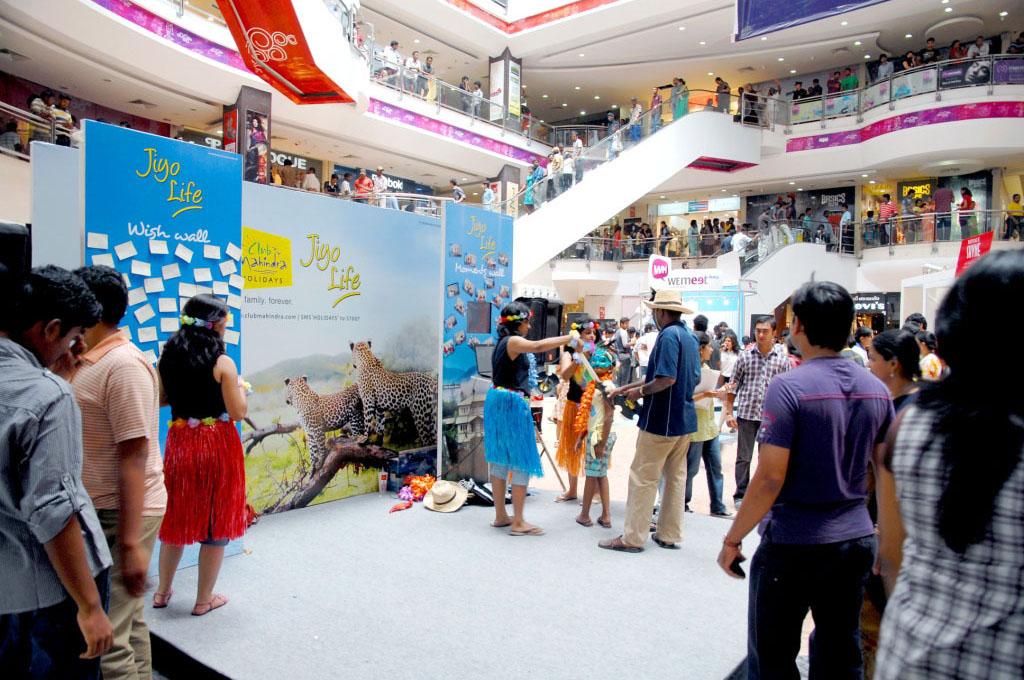
Consumers today encounter advertisements across television, social media, websites, mobile applications, outdoor media and countless other channels. With so many brands competing for attention, simply showing an advertisement is often not enough to make a lasting impression.
This is where experiential BTL marketing becomes valuable.
Instead of asking consumers to only watch, read or scroll past a brand message, experiential marketing creates opportunities for people to interact with the brand. They may taste a product, test a new device, participate in a game, explore an interactive installation, enter a virtual reality experience or receive a personalized experience.
The fundamental difference is simple: traditional advertising focuses heavily on exposure, while experiential BTL marketing focuses on participation.
This approach has become increasingly relevant in India as brands invest in live events, activations and physical experiences. A 2026 EY-Parthenon and BookMyShow report estimated India's live-events market at around ₹13,000 crore and found that 78% of Indian consumers surveyed preferred experiences over products, while 59% of live-event attendees recalled brands they engaged with on-ground.
But what exactly is BTL marketing, and how does experiential marketing fit into it?
What Is BTL Marketing?
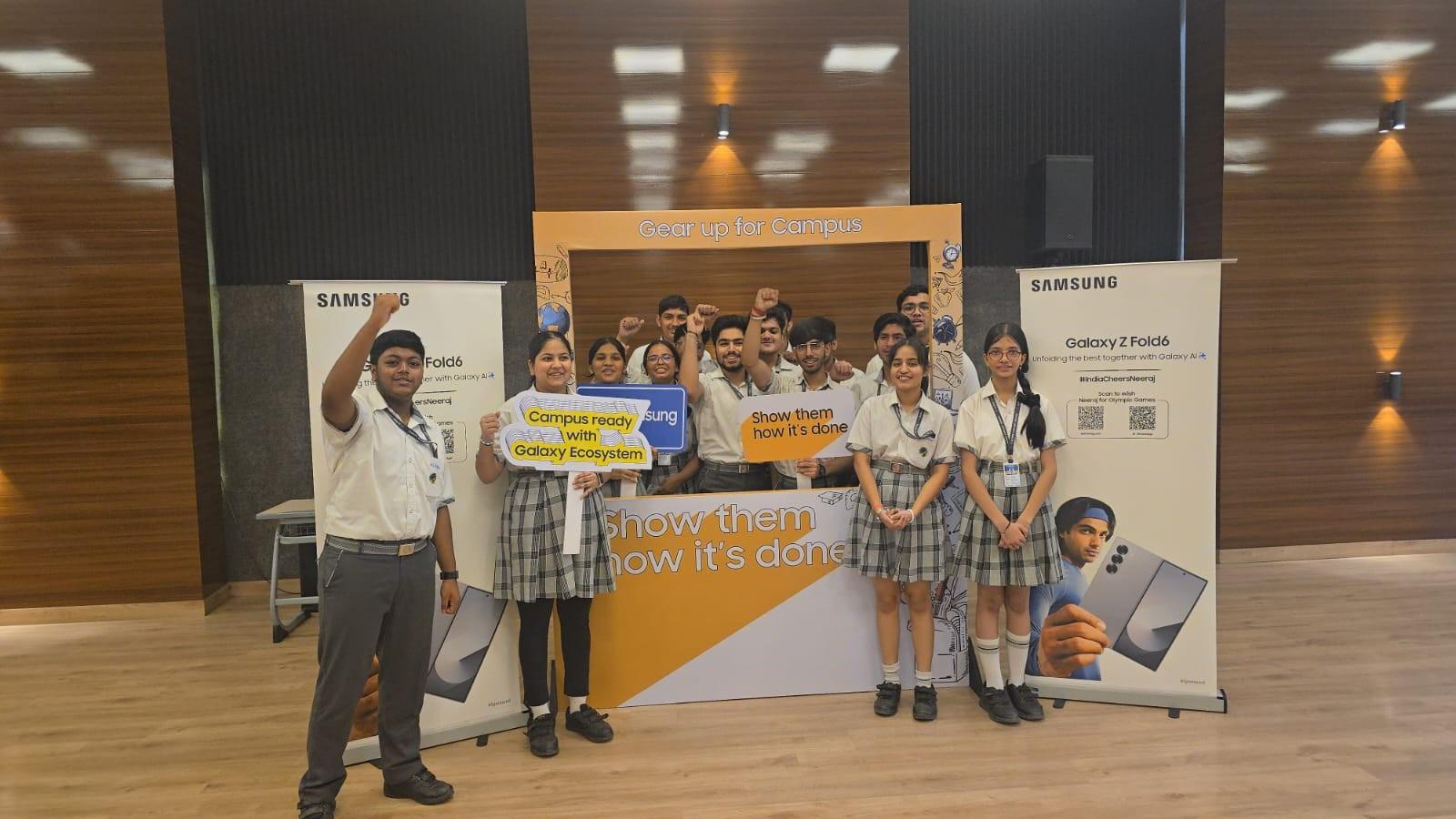
BTL stands for Below-the-Line marketing. Traditionally, BTL marketing refers to targeted promotional activities designed to communicate directly with specific audiences rather than relying primarily on mass media.
Examples include product sampling, direct marketing, in-store promotions, exhibitions, roadshows, demonstrations and promotional events. The emphasis is generally on reaching a defined audience and encouraging a measurable response.
For example, a beverage company may advertise nationally through television and digital media, but it could also conduct product sampling at colleges, shopping malls or music festivals. The first approach creates broad awareness, while the second allows consumers to physically interact with the product.
Experiential marketing takes this concept further by making the interaction itself an important part of the marketing strategy.
What Is Experiential BTL Marketing?
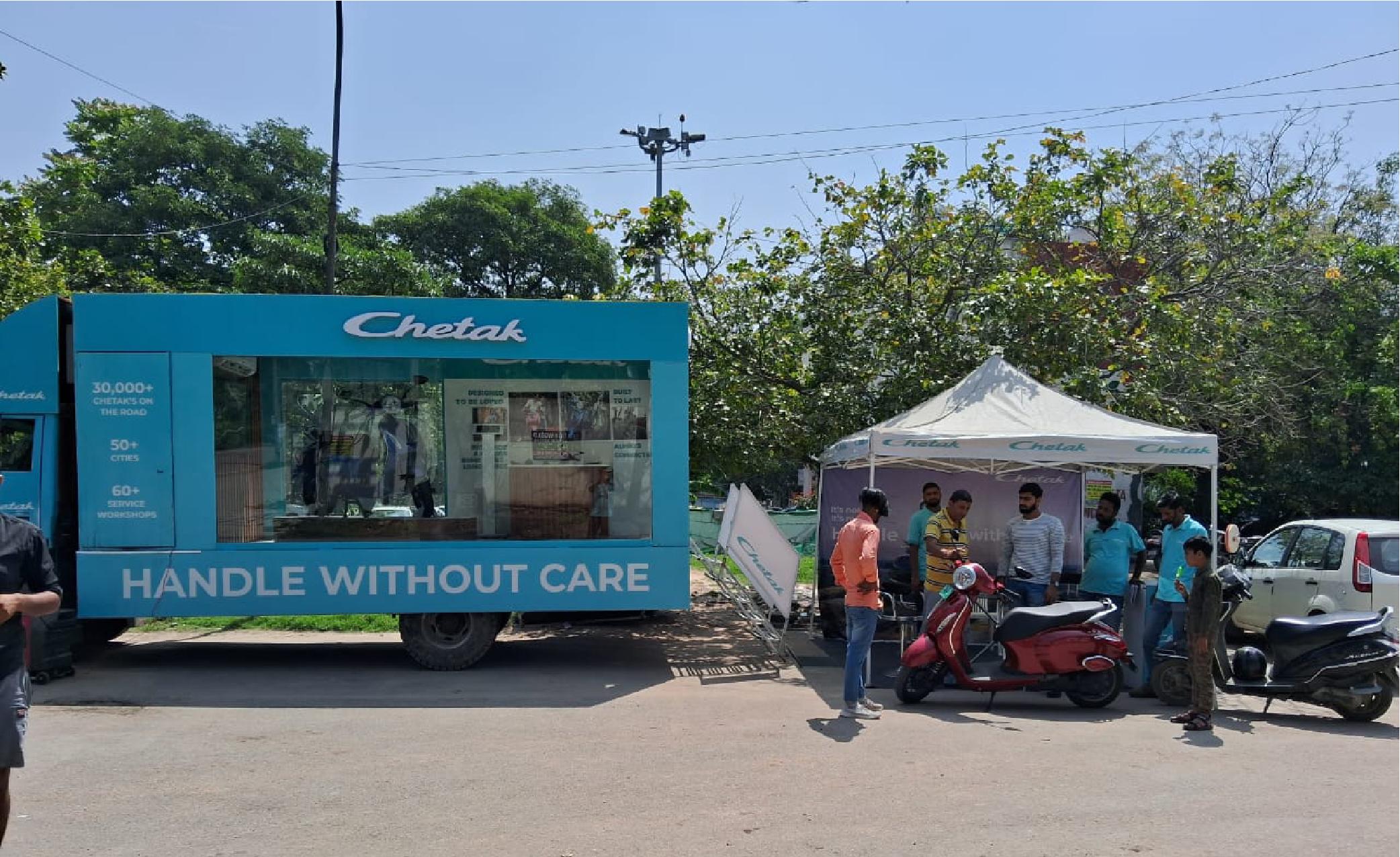
Experiential BTL marketing is a form of targeted marketing in which brands create interactive and memorable experiences that allow consumers to directly engage with a product, service or brand.
The key word is experience.
A conventional advertisement might tell consumers that a product is fast, innovative or enjoyable. An experiential activation can give consumers an opportunity to experience those characteristics themselves.
For example, an automobile company could display a new vehicle at a mall. A more experiential approach might allow visitors to enter the vehicle, use an interactive configurator, experience a driving simulator or explore the vehicle's technology through augmented reality.
The brand is no longer simply communicating a message. It is creating a situation in which the consumer participates in the message.
This is one reason experiential marketing and brand activations are increasingly used together. A brand activation gives consumers a reason to interact with the brand, while experiential design determines what they actually experience.
How Does Experiential BTL Marketing Work?
A successful experiential campaign normally begins with a specific business objective rather than a technology or decoration.
The brand first identifies the audience it wants to reach and the action it wants that audience to take. The campaign may be designed to generate product trials, collect leads, launch a product, increase awareness, encourage registrations, create social content or drive sales.
The next stage is choosing the right location and touchpoint.
A youth-focused campaign might work at a college campus or music festival. A consumer electronics campaign could work inside a shopping mall. A B2B technology campaign may be better suited to an exhibition or corporate conference.
Once the audience and environment are established, the experience is designed around participation.
The journey can then look like this:
Target audience → Location → Experience design → Participation → Brand interaction → Data or lead capture → Measurement
The most important part is that every stage should connect back to the campaign objective.
A visually impressive installation that generates photographs but does not communicate the brand or encourage any meaningful action may create attention without creating marketing value.
Types of Experiential BTL Marketing
Experiential BTL campaigns can take many forms because the experience is adapted to the audience, location and objective.
Brand Activations
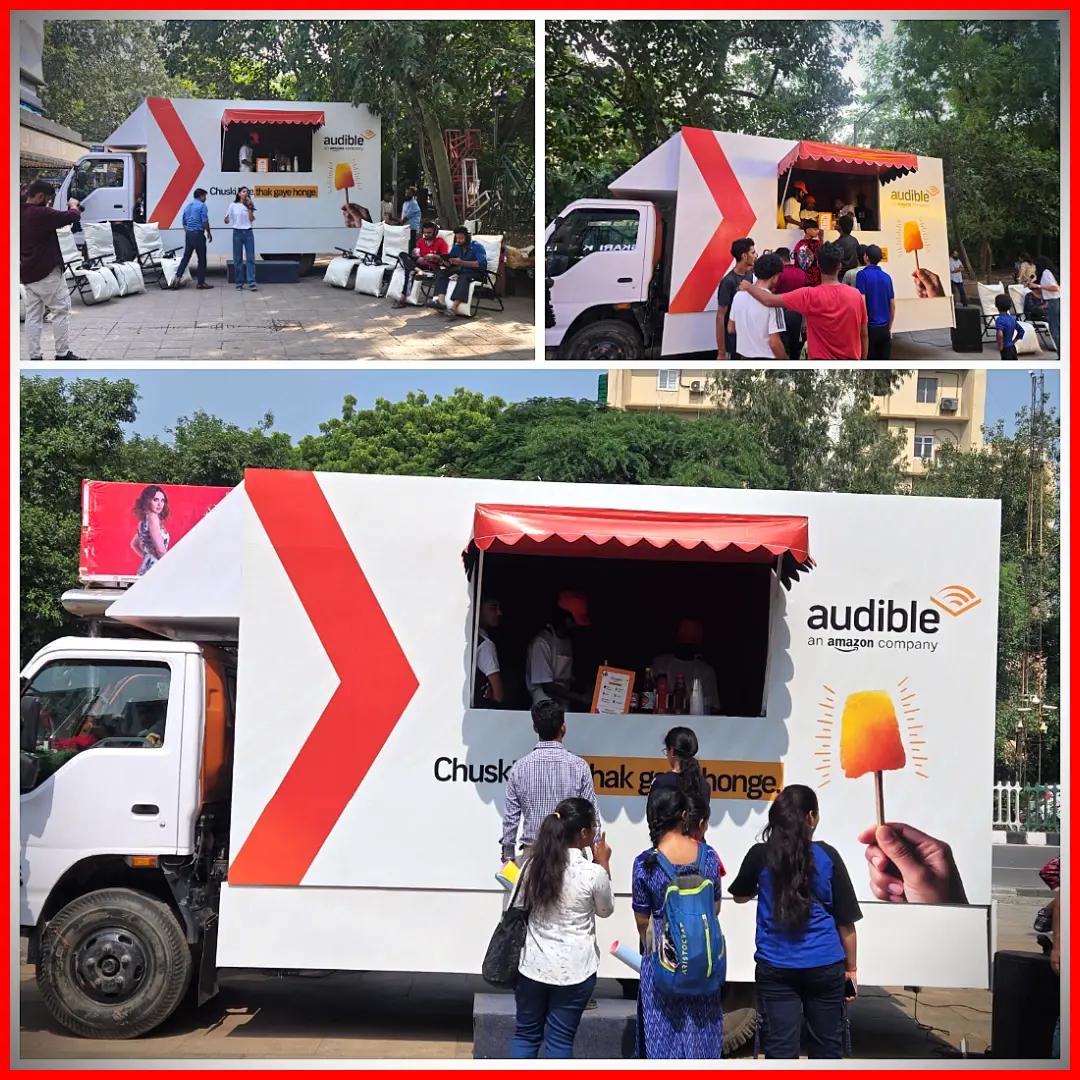
Brand activations are designed to encourage direct interaction between consumers and a brand. They can include product demonstrations, interactive installations, games, contests, sampling and technology-driven experiences.
The objective might be awareness, engagement, lead generation, trial or conversion.
Product Sampling
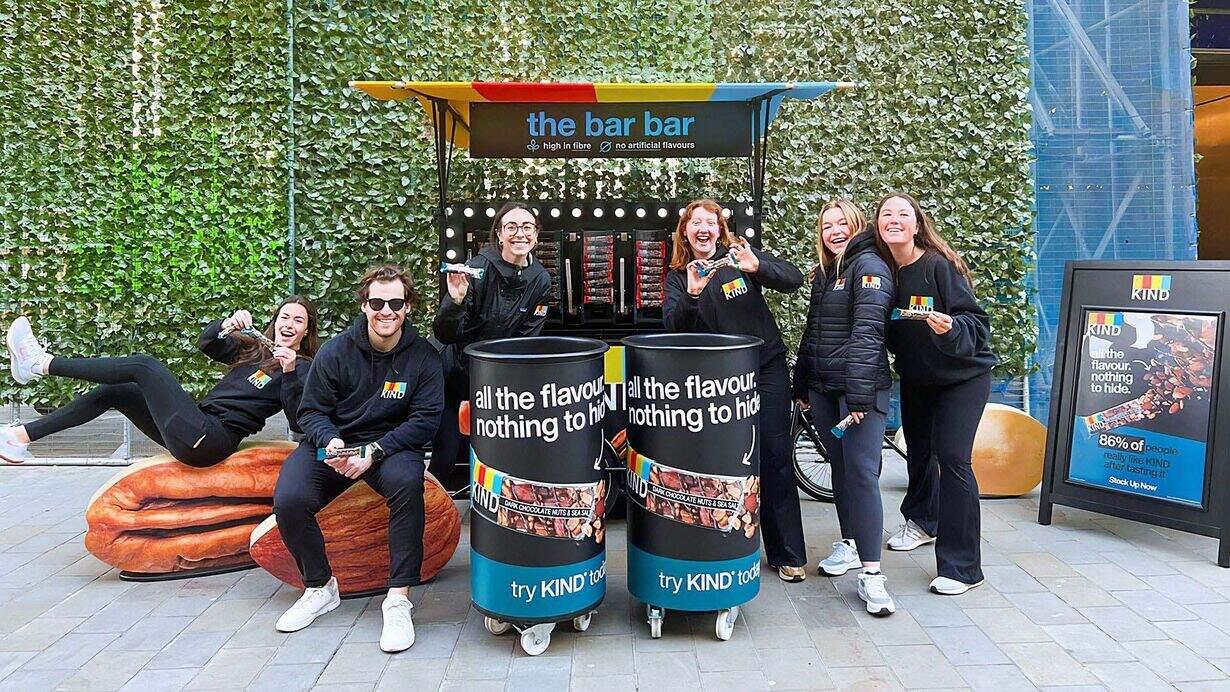
Sampling remains one of the simplest experiential techniques because it allows consumers to try a product instead of merely hearing about it.
Food, beverage, cosmetics and FMCG brands can use sampling activations in locations where their target customers naturally spend time.
The experience can be enhanced with demonstrations, games, instant rewards or digital registration.
Roadshows
Roadshows take the brand experience directly to different locations.
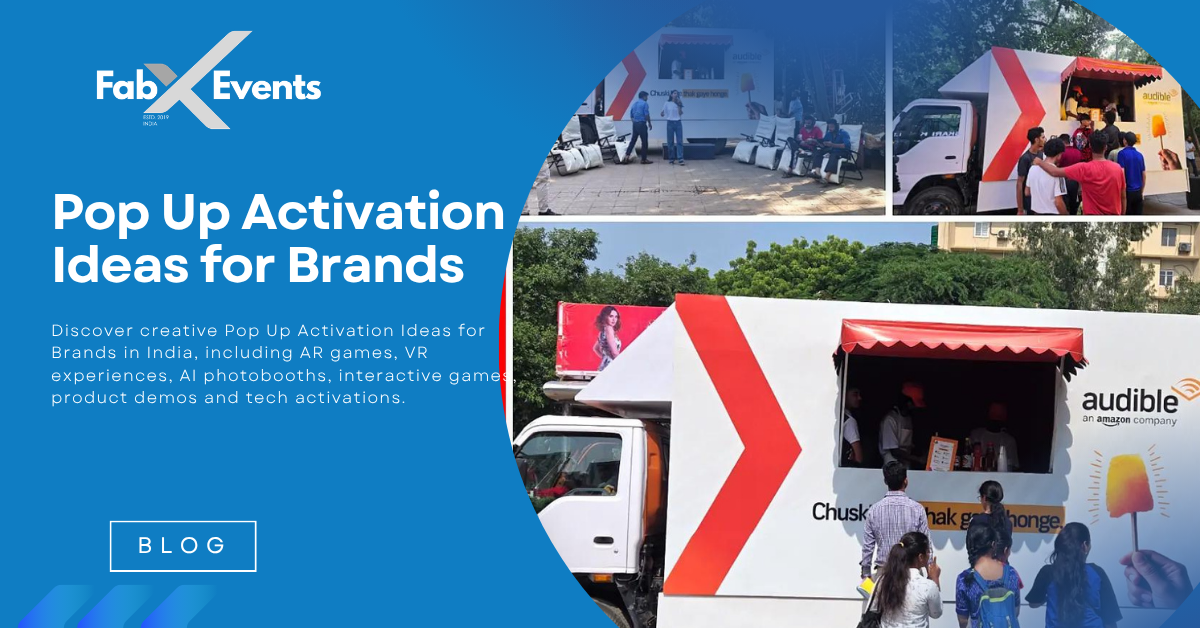
A branded vehicle, mobile experience zone or travelling activation can visit multiple cities, colleges, markets, corporate campuses or residential communities.
This is particularly useful when a brand wants geographic reach without relying entirely on permanent venues.
Mall Activations
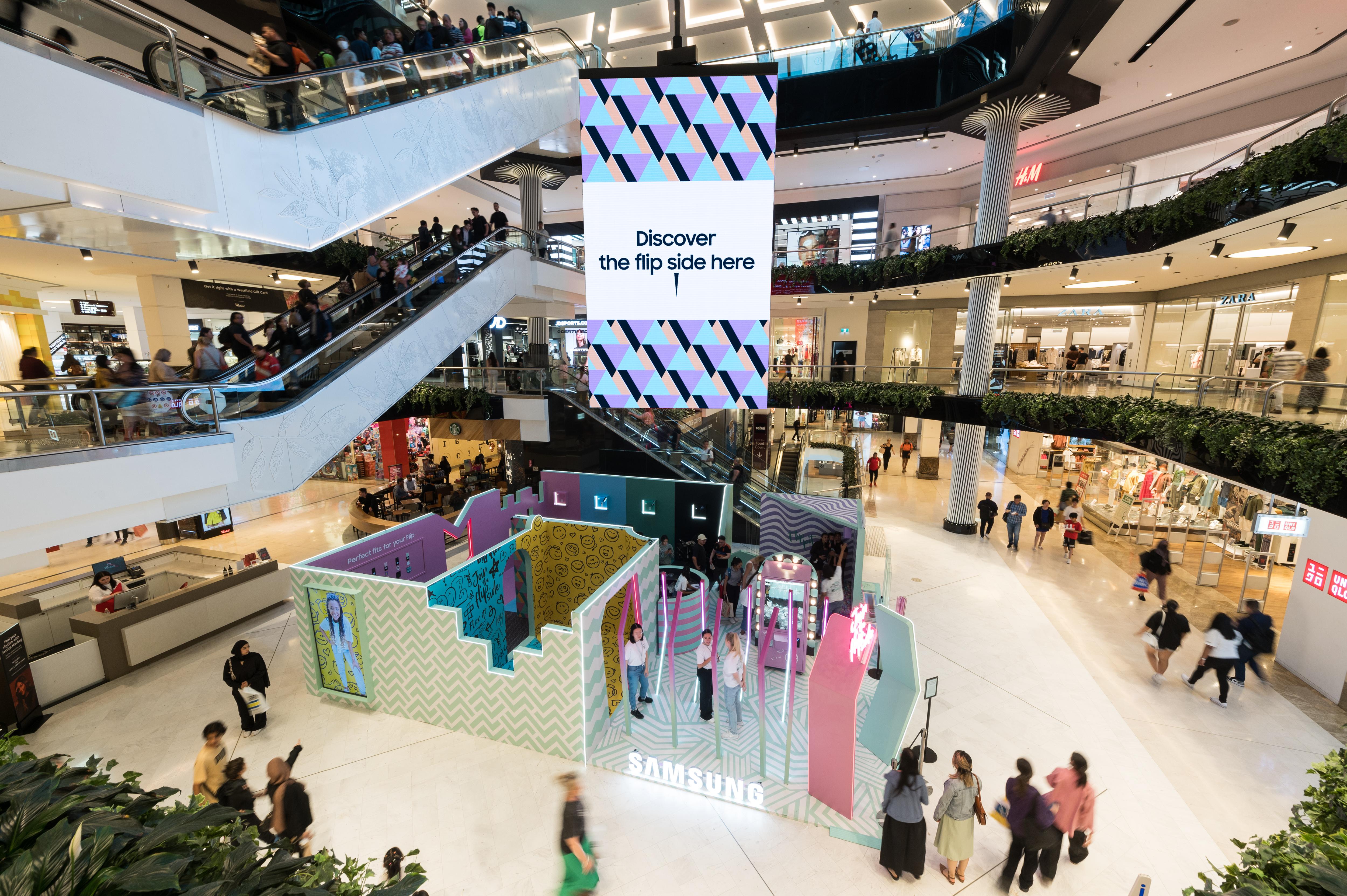
Shopping malls provide a controlled environment with significant footfall.
Brands can create interactive games, product demonstrations, photo experiences, AR installations, contests or immersive zones that encourage shoppers to stop and participate.
The experience can then lead directly to an offer, product trial, store visit or lead registration.
Campus and College Activations
College activations are particularly effective for brands targeting younger audiences.
Rather than simply distributing promotional material, brands can create challenges, games, competitions, AI photo experiences, interactive displays and social-media-friendly installations.
The important principle is to design something students actually want to participate in.
Exhibitions and Trade Shows
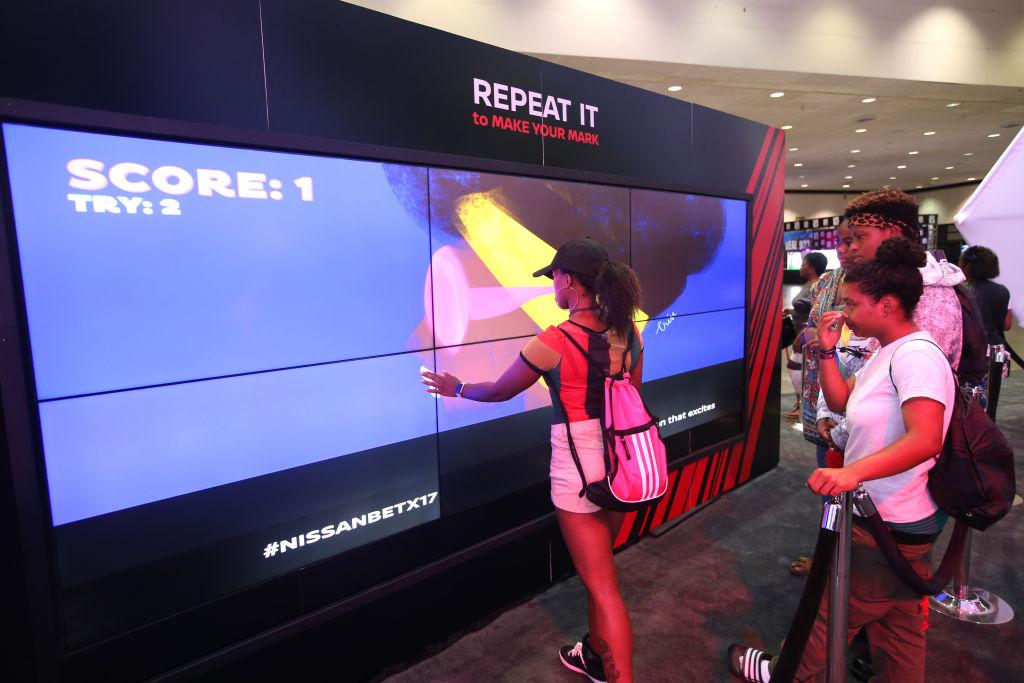
Experiential marketing is particularly valuable at exhibitions because multiple brands compete for visitors' attention.
An interactive product configurator, VR demonstration, simulator, AI experience or gamified product showcase can turn a conventional exhibition booth into an engaging brand environment.
For B2B companies, the experience can also be connected to product education and lead capture.
AR and VR Activations
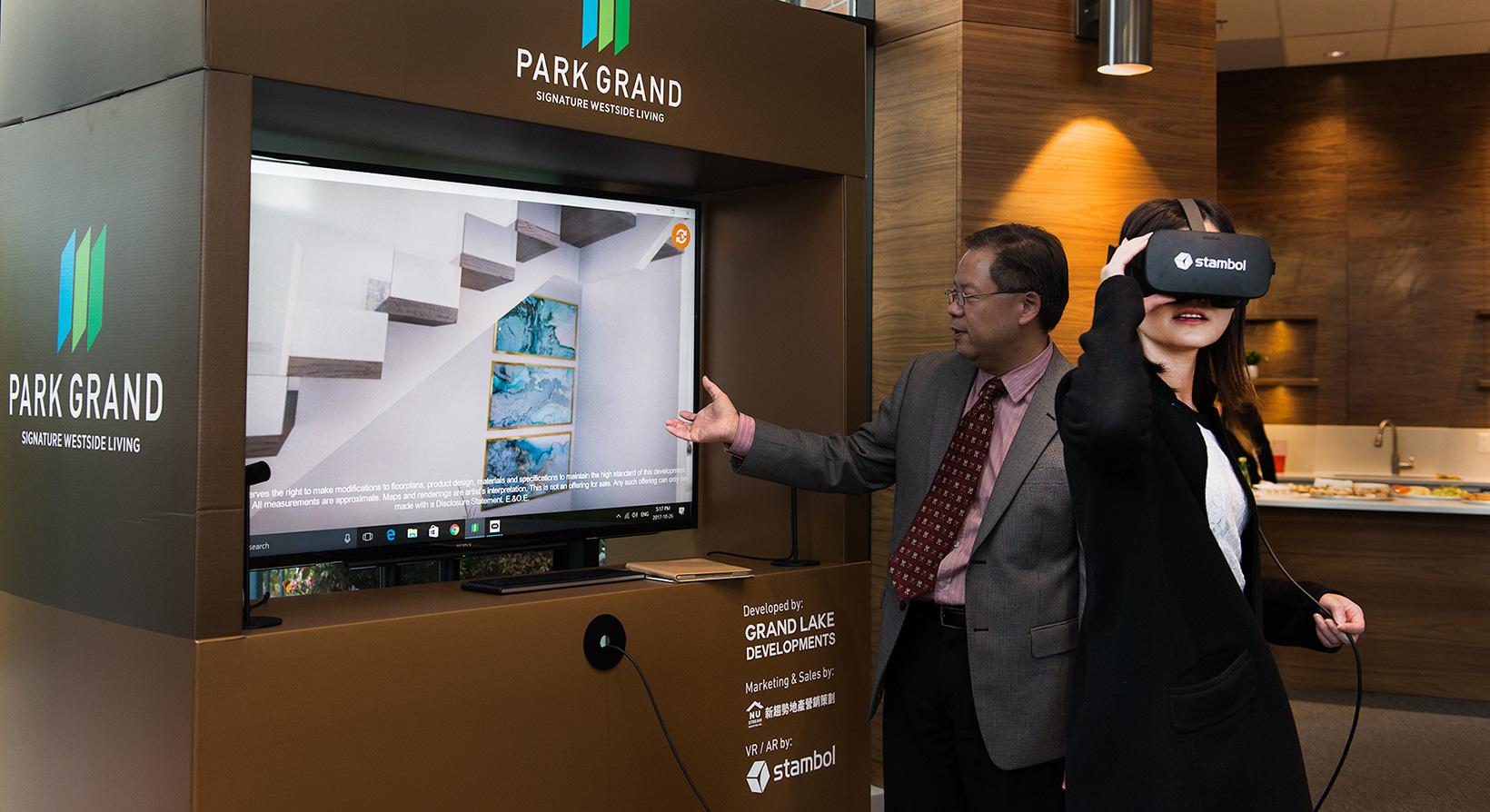
Technology has expanded the possibilities of experiential marketing.
AR can allow consumers to visualize products, interact with digital characters, scan objects or unlock additional information.
VR can place participants inside simulated environments, virtual tours, games, training experiences or product demonstrations.
These immersive activations are particularly useful when the product or concept is difficult to demonstrate physically.
For example, a real-estate developer can allow customers to experience an under-construction apartment through VR. An automobile brand can provide a virtual driving experience. A manufacturing company can take visitors inside a virtual factory.
The technology works best when it solves a communication problem rather than being added simply because it looks impressive.
Real-World Experiential BTL Examples
Consider a beverage company launching a new drink.
A traditional campaign might use television, digital advertisements and outdoor media to communicate the product's benefits.
An experiential BTL campaign could take the product to a college festival. Visitors could participate in a branded challenge, taste the drink, scan a QR code, share their experience and receive an incentive.
The consumer has now experienced the product, interacted with the brand and potentially created content around it.
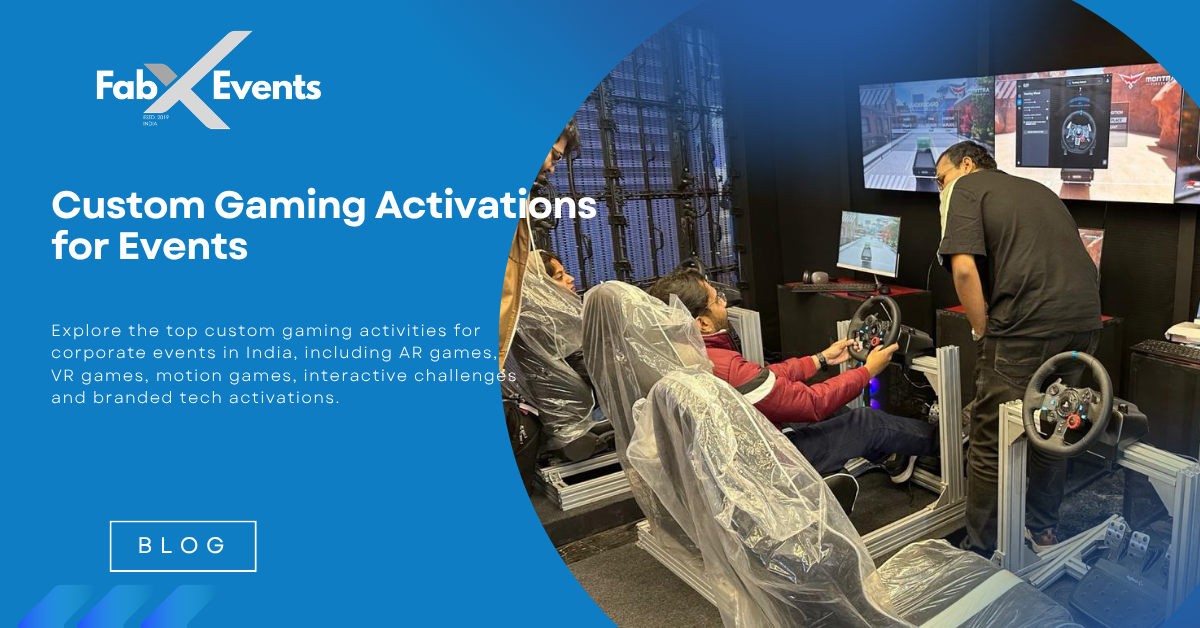
A technology company could take a similar approach at a shopping mall. Instead of displaying a laptop with specifications, the company could create an interactive gaming station where visitors test performance themselves.
For an automobile brand, an experiential activation could combine a vehicle display with a driving simulator, AR product visualization and a lead-generation form.
In each example, the consumer does something rather than simply seeing something.
Experiential BTL vs Traditional Advertising
The difference between traditional advertising and experiential BTL marketing is primarily the nature of interaction.
| Traditional Advertising | Experiential BTL Marketing |
|---|---|
| Consumer primarily sees the message | Consumer participates in the experience |
| Communication is often one-way | Communication can be interactive |
| Usually optimized for reach and awareness | Often optimized for engagement and action |
| Product may remain physically distant | Product or brand can be directly experienced |
| Interaction can be difficult to attribute directly | Participation and responses can often be tracked |
| Experience is mainly media-based | Experience can combine physical, digital and sensory elements |
This does not mean that ATL marketing and BTL marketing should compete with each other.
In fact, the strongest campaigns often use both.
ATL Marketing vs BTL Marketing
ATL stands for Above-the-Line marketing and traditionally refers to broad-reach advertising through channels such as television, radio, print and other mass-media formats.
BTL marketing is generally more targeted and direct.
The distinction has become less rigid as modern campaigns increasingly combine digital media, events, influencers, activations and experiential formats. Even marketing references note that the historical ATL/BTL boundary has become increasingly blurred.
A brand might therefore use ATL marketing to build awareness before using experiential BTL activations to create physical engagement.
For example:
ATL campaign → Generate awareness → BTL activation → Product trial → Lead capture → Digital remarketing
This creates a connected customer journey rather than treating each marketing channel independently.
Benefits of Experiential BTL Marketing
Stronger Brand Recall
People are more likely to remember an experience when they actively participate in it.
An interactive demonstration, challenge or personalized activation can create a stronger memory than a static advertisement.
Direct Consumer Engagement
Experiential campaigns create opportunities for brands to interact directly with consumers.
Brand representatives can answer questions, demonstrate products and understand consumer reactions in real time.
Product Trial
For products that benefit from demonstration or physical trial, experiential marketing provides a natural opportunity to let consumers test them.
This is particularly relevant to FMCG, automotive, electronics, beauty and consumer technology brands.
Emotional Connections
Experiences can create emotional associations with brands.
Entertainment, personalization, competition, surprise and discovery can all make an interaction more memorable.
Lead Generation
Experiential activations can incorporate registrations, QR codes, surveys, contests and other mechanisms for collecting permission-based customer information.
This makes the activation measurable beyond footfall.
Social Media Content
A well-designed activation can encourage visitors to photograph, record and share their experience.
AI photo booths, immersive installations, branded environments and interactive games can become content-generation points within an event.
Consumer Feedback
Face-to-face interaction gives brands an opportunity to hear what consumers actually think.
This feedback can help inform product development, messaging and future campaigns.
How to Measure an Experiential BTL Campaign
One of the biggest advantages of modern BTL marketing is the ability to connect physical participation with measurable outcomes.
A campaign can track the number of visitors who approached the activation, the number who actually participated and how many completed a desired action.
Depending on the campaign, useful KPIs can include:
Reach and footfall
Total interactions
Product samples distributed
Registrations
Leads generated
Coupon or offer redemptions
Product trials
Social media mentions
User-generated content
QR-code scans
Website visits
Sales or conversions
Cost per lead
Conversion rate
The right KPI depends on the campaign objective.
If the goal is awareness, reach and engagement may matter most. If the objective is lead generation, registrations and qualified leads become more important. If the goal is sales, conversion and revenue should be measured.
What Makes an Experiential Activation Successful?
The best experiential campaigns are not necessarily the most expensive.
They are relevant to the audience, easy to understand, interactive enough to encourage participation and clearly connected to the brand.
A useful framework is:
Relevant + Interactive + Shareable + Brand-focused + Measurable
Relevance ensures that the audience actually cares.
Interaction gives people a reason to participate.
Shareability can extend the experience beyond the physical location.
Brand integration ensures people remember who created the experience.
Measurement allows marketers to determine whether the investment achieved its objective.
This final point is particularly important. A beautiful installation that receives attention but leaves visitors unable to remember the brand is not necessarily a successful activation.
The Role of Immersive Activations in Modern Experiential Marketing
Immersive activations are becoming an important part of experiential marketing because they can make complex ideas easier to experience.
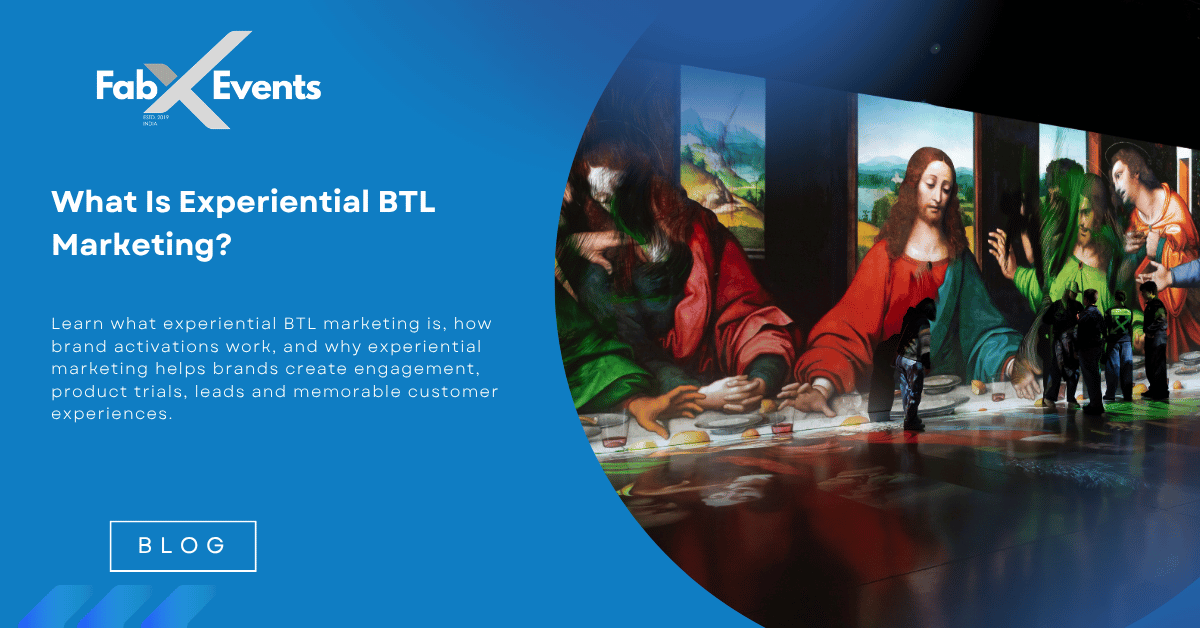
VR, AR, projection mapping, interactive LED displays, gesture-controlled systems, holographic presentations and AI-powered experiences can transform an ordinary brand interaction into something more participatory.
Research into immersive XR advertising is also exploring how immersive experiences can affect comprehension, empathy and behavioural intentions compared with conventional 2D advertising.
However, technology should support the story rather than replace it.
A VR headset does not automatically create a successful marketing campaign. The experience needs to answer a simple question:
Why should the consumer participate?
When that answer is clear, technology becomes a powerful tool for delivering the brand message.
Common Mistakes in Experiential BTL Marketing
One common mistake is focusing too heavily on appearance.
An activation may look impressive but fail to give visitors a meaningful reason to participate.
Another mistake is making the experience too complicated. If visitors need lengthy instructions before they can begin, many will simply walk away.
Poor brand integration is another issue. Consumers may remember the game, photograph or technology but forget the company behind it.
Finally, brands sometimes measure only footfall instead of meaningful engagement.
A campaign that attracts 10,000 people but produces no product trials, leads or useful interactions may be less valuable than a smaller activation that reaches a highly relevant audience.
Why Experiential Marketing Is Growing in India
India's expanding live-events ecosystem is creating more opportunities for brands to connect with audiences in physical environments.
The 2026 EY-Parthenon and BookMyShow report highlighted the increasing importance of participation-led experiences, with Indian consumers showing a strong preference for experiences and substantial numbers reporting brand recall and purchase intent after engaging with brands at live events.
This creates opportunities across corporate events, exhibitions, malls, campuses, festivals, retail environments, roadshows and product launches.
For brands, the objective is increasingly shifting from simply asking:
“How many people saw our advertisement?”
to:
“How many people experienced our brand, interacted with it and took the next step?”
That is the core opportunity offered by experiential BTL marketing.
Conclusion
Experiential BTL marketing transforms consumers from passive viewers into active participants.
Instead of simply telling people about a product or service, brands create opportunities for consumers to see, touch, taste, test, play, explore and interact with the brand.
From product sampling and roadshows to mall activations, exhibitions, interactive games, AR and VR experiences, the possibilities are extensive.
The most effective campaigns begin with a clear business objective and then build an experience around the audience. Technology, entertainment and creativity should strengthen the brand message rather than distract from it.
ATL marketing can create broad awareness, while BTL marketing can bring the brand closer to specific audiences. When combined strategically, they can create a connected customer journey from awareness to participation and ultimately conversion.
In an increasingly crowded advertising environment, experiential marketing gives brands something traditional advertising cannot always provide: an opportunity for people to experience the brand for themselves.
Author Bio
Khushboo is a hospitality professional with over 12 years of experience and a degree in Hospitality. As the Corporate Sales Lead at FabX Events, She works closely with businesses, event organisers, and enterprises to provide the right technology rental solutions for conferences, exhibitions, training programmes, corporate events, and business projects. Passionate about technology and event innovation, Khushboo stays up to date with the latest hardware trends and shares practical insights, industry best practices, and expert advice through the FabX Events blog.
FAQs