 Corporate Events Blogs
VR Activations for Pharma Conferences
Discover how VR activations, AR experiences, AI, and immersive technologies are transforming pharma conferences, medical congresses, and healthcare exhibitions with engaging scientific storytelling.
VR Activations for Pharma Conferences: Transforming Medical Congresses with Immersive Experiences
Introduction
The pharmaceutical industry has always relied on scientific communication, evidence-based education, and meaningful interactions with healthcare professionals. Yet, as medical congresses and healthcare exhibitions continue to grow in scale, traditional exhibition booths filled with brochures, posters, and static presentations are no longer enough to capture attention.
Today's healthcare professionals expect engaging, interactive, and educational experiences that help them understand complex therapies quickly and effectively. Pharmaceutical companies are therefore embracing immersive technologies that combine education with innovation.
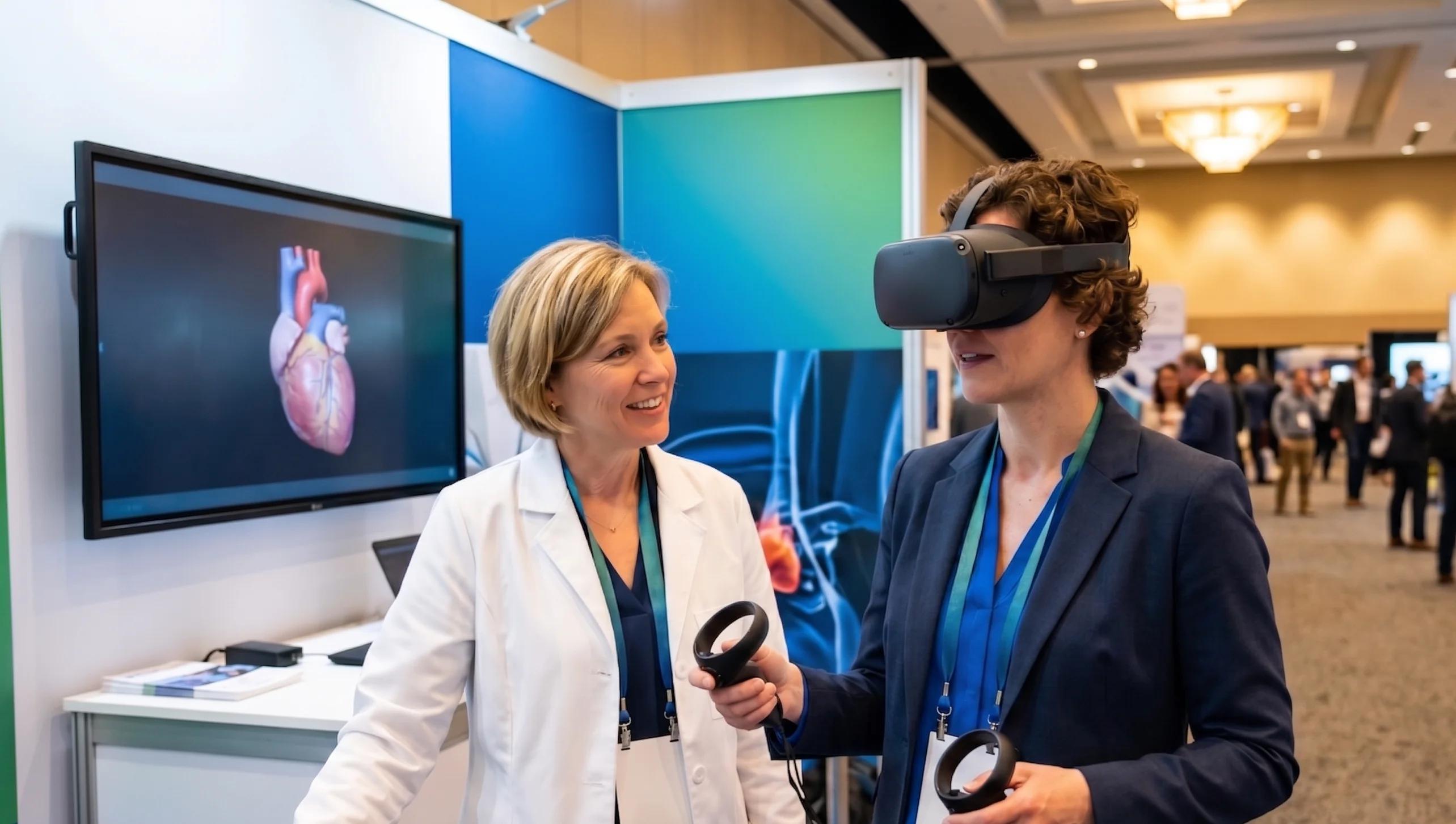
From Virtual Reality journeys inside the human body to AI-powered patient simulations and Augmented Reality product demonstrations, immersive technologies are changing how pharmaceutical brands communicate scientific information during conferences.
Instead of simply telling physicians how a therapy works, companies can now let them experience disease progression, observe drug mechanisms in three dimensions, perform simulated procedures, and interact with patient scenarios in ways that were previously impossible.
As a result, VR Activations have become one of the fastest-growing technologies for pharma conferences, medical congresses, and healthcare exhibitions worldwide.
Why Immersive Experiences Are Transforming Pharma Conferences
Medical conferences have evolved far beyond product launches and scientific poster sessions. Today they are platforms for education, collaboration, networking, and innovation.
Healthcare professionals attending these events often visit hundreds of exhibition booths within a short period. Every pharmaceutical company competes for limited attention, making it increasingly difficult to stand out.
Immersive Experiences solve this challenge by replacing passive learning with active participation.
Rather than watching a two-minute animation explaining a treatment, visitors can explore the disease from inside the body, understand molecular interactions, and witness the therapy's effect through realistic VR simulations.
This interactive approach not only increases booth traffic but also helps healthcare professionals retain scientific information more effectively.
Many pharmaceutical organizations report higher engagement, longer visitor dwell times, stronger conversations with medical representatives, and improved lead generation after integrating immersive technologies into their conference strategies.
How VR Improves Scientific Communication
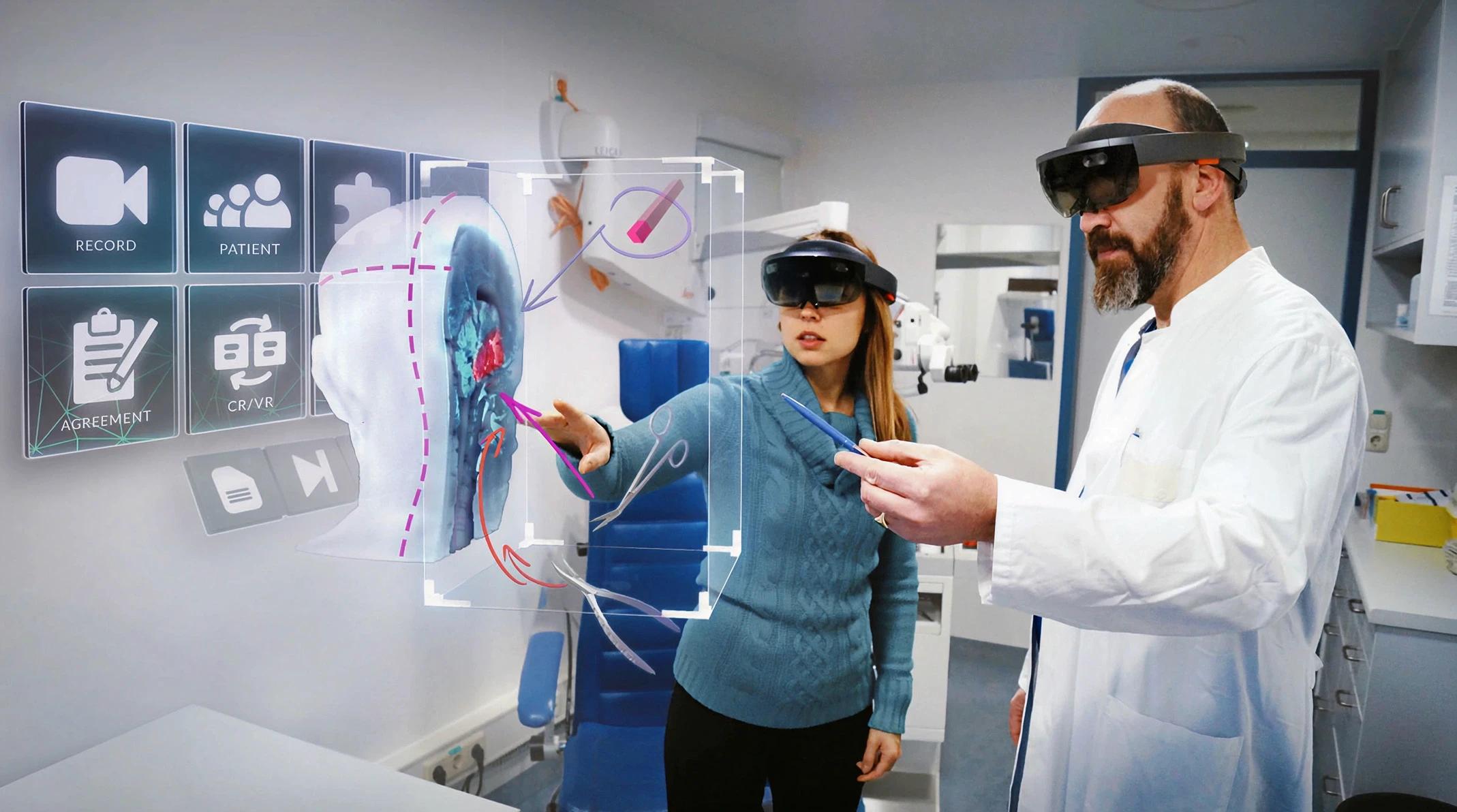
Communicating complex biological pathways is one of the biggest challenges in pharmaceutical marketing.
Traditional brochures often struggle to explain intricate molecular interactions or disease mechanisms.
Virtual Reality simplifies these concepts by transforming them into immersive visual experiences.
Doctors can observe:
- Cellular interactions
- Drug binding
- Immune responses
- Organ function
- Disease progression
- Treatment outcomes
Instead of imagining biological processes, they experience them firsthand, making scientific communication significantly more intuitive.
Mechanism of Action (MOA) Experiences
One of the most successful VR Activations for Pharma is the immersive Mechanism of Action experience.
Healthcare professionals are transported inside the human body, where they can observe how diseases develop and how therapies intervene at the cellular level.
These experiences frequently include:
- Blood vessel navigation
- Cellular pathways
- Receptor interactions
- Immune system responses
- Drug absorption
- Clinical outcomes
MOA experiences are particularly valuable for oncology, cardiology, neurology, immunology, respiratory medicine, diabetes, and rare disease therapies.
By presenting scientific concepts visually, pharmaceutical companies improve understanding while making educational sessions far more memorable.
Virtual Patient Journey Experiences
Understanding a disease from the patient's perspective creates stronger emotional engagement.
Virtual patient journeys guide healthcare professionals through every stage of treatment, from the onset of symptoms to diagnosis, therapy, recovery, and long-term disease management.
Doctors experience real-world challenges faced by patients, helping them better understand treatment decisions and quality-of-life improvements.
These activations work exceptionally well for chronic disease management, oncology, respiratory medicine, mental health, and rare disease awareness campaigns.
Immersive Anatomy Exploration
Static anatomical models have long been a staple of medical exhibitions, but immersive anatomy platforms provide a far richer learning experience.
Healthcare professionals can rotate organs, zoom into microscopic structures, compare healthy and diseased tissue, and observe physiological processes in real time.
Interactive anatomy experiences are widely used during medical conferences because they simplify complex discussions while encouraging deeper engagement.
Surgical Simulation Experiences
Medical device companies increasingly use VR to allow physicians to practice procedures before using equipment in clinical environments.
Participants can perform laparoscopic surgery, orthopedic procedures, catheter placement, robotic-assisted interventions, and minimally invasive techniques within a safe virtual environment.
Many simulations include scoring systems that measure speed, precision, and accuracy, encouraging friendly competition among delegates while reinforcing clinical education.
Clinical Decision Simulators
Interactive clinical decision platforms place attendees in realistic patient scenarios where every decision influences treatment outcomes.
Doctors evaluate symptoms, order diagnostic tests, prescribe therapies, select appropriate dosages, and monitor patient progress.
The simulation immediately demonstrates the consequences of each clinical decision, making these experiences particularly valuable for continuing medical education and scientific engagement.
Augmented Reality Experiences for Pharma Conferences
While Virtual Reality creates fully immersive environments, Augmented Reality enhances physical objects with digital information.
Visitors can point tablets or smartphones at medicine packaging, anatomical models, or medical devices to instantly access three-dimensional molecules, safety information, mechanism-of-action animations, and clinical evidence.
AR experiences require minimal equipment while delivering highly engaging educational content, making them ideal for busy exhibition environments.
Mixed Reality and Spatial Computing
Technologies such as Apple Vision Pro and Microsoft HoloLens are introducing new possibilities for medical congresses.
Mixed Reality enables healthcare professionals to interact naturally with floating organs, molecular structures, DNA strands, tumors, and medical devices within their physical surroundings.
Unlike traditional VR, users remain aware of the real environment while manipulating digital content, creating highly collaborative learning experiences suitable for congress demonstrations and executive presentations.
AI-Powered Medical Experiences
Artificial Intelligence is increasingly being integrated into immersive conference experiences.
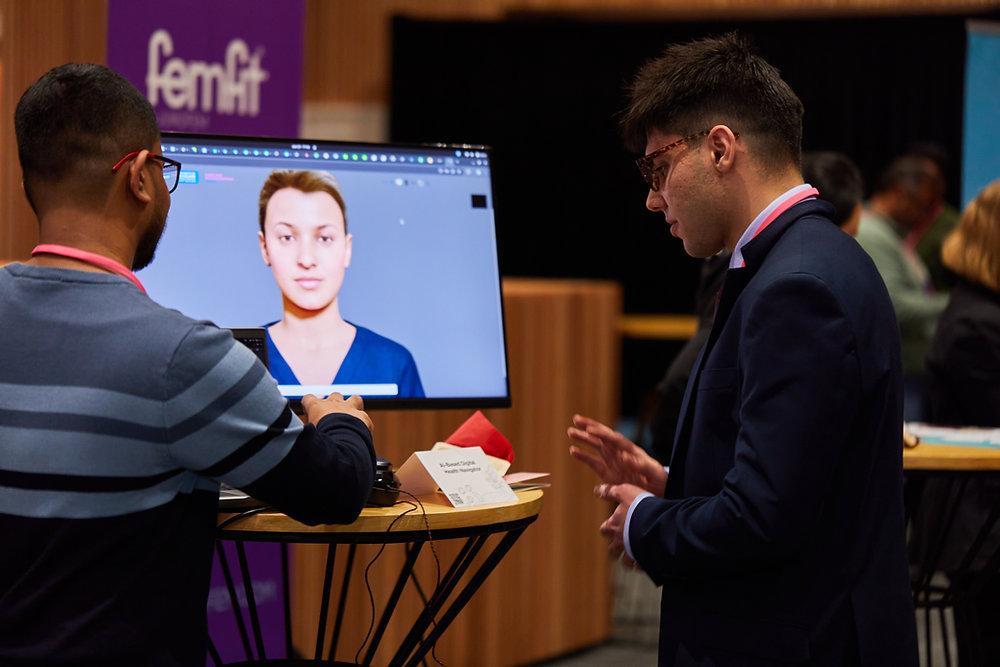
AI-powered patient avatars simulate realistic conversations where physicians ask questions, review symptoms, and receive dynamically changing responses based on clinical decisions.
AI medical assistants can also explain drug mechanisms, visualize anatomy, recommend scientific sessions, and answer product-related questions, providing personalized educational support throughout the event.
Gamification That Makes Learning Enjoyable
Scientific education does not need to feel overwhelming.
Many pharmaceutical companies now incorporate gamification to encourage participation while reinforcing medical knowledge.
Popular concepts include immune defense games, virus elimination challenges, precision surgery competitions, molecular assembly puzzles, diagnostic escape rooms, clinical quiz arenas, and DNA-building simulations.
Leaderboards and rewards encourage repeat participation while making complex science more approachable.
Beyond VR: Holograms, Projection Mapping and Interactive Displays
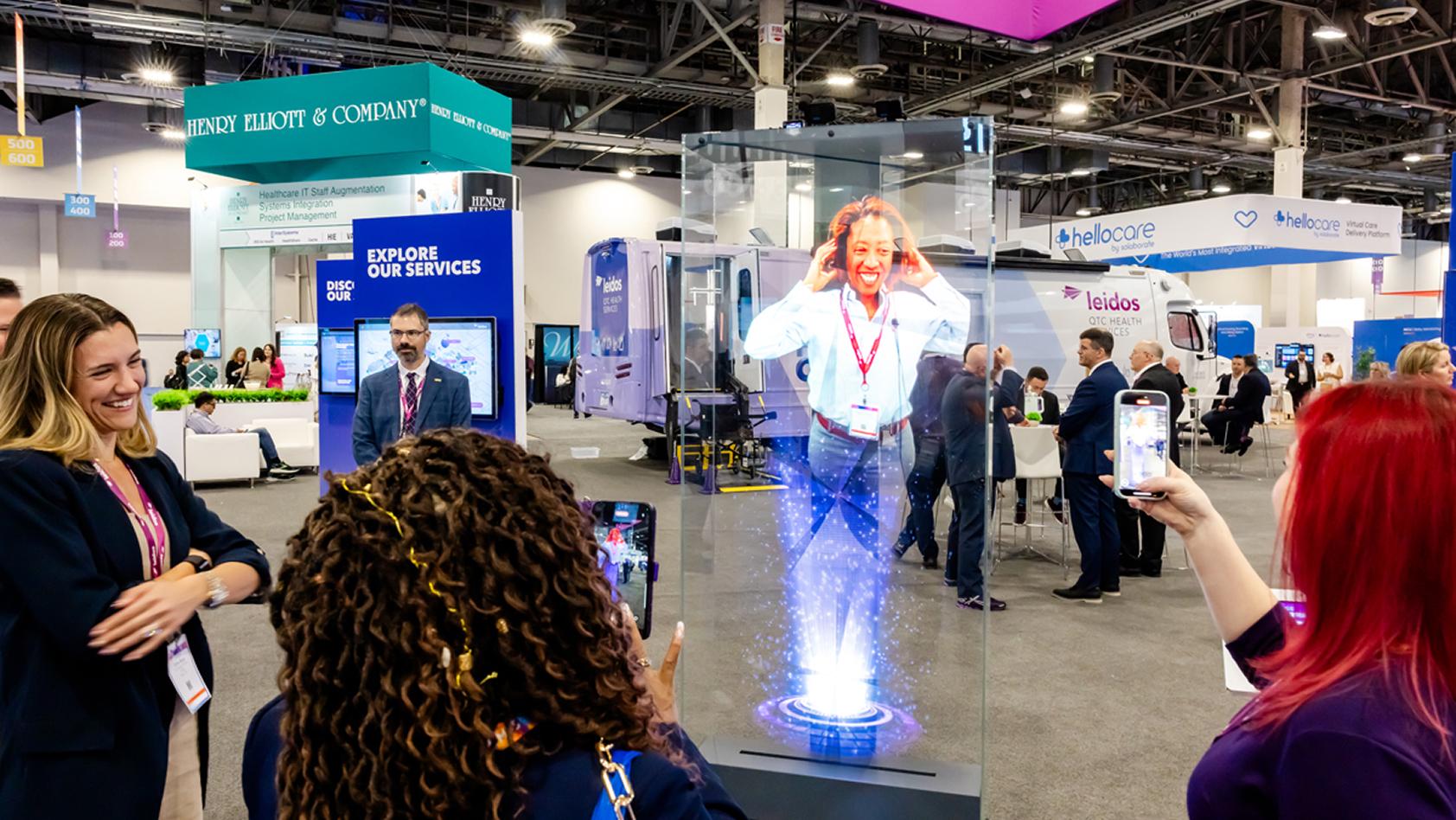
Immersive Experiences extend beyond headsets.
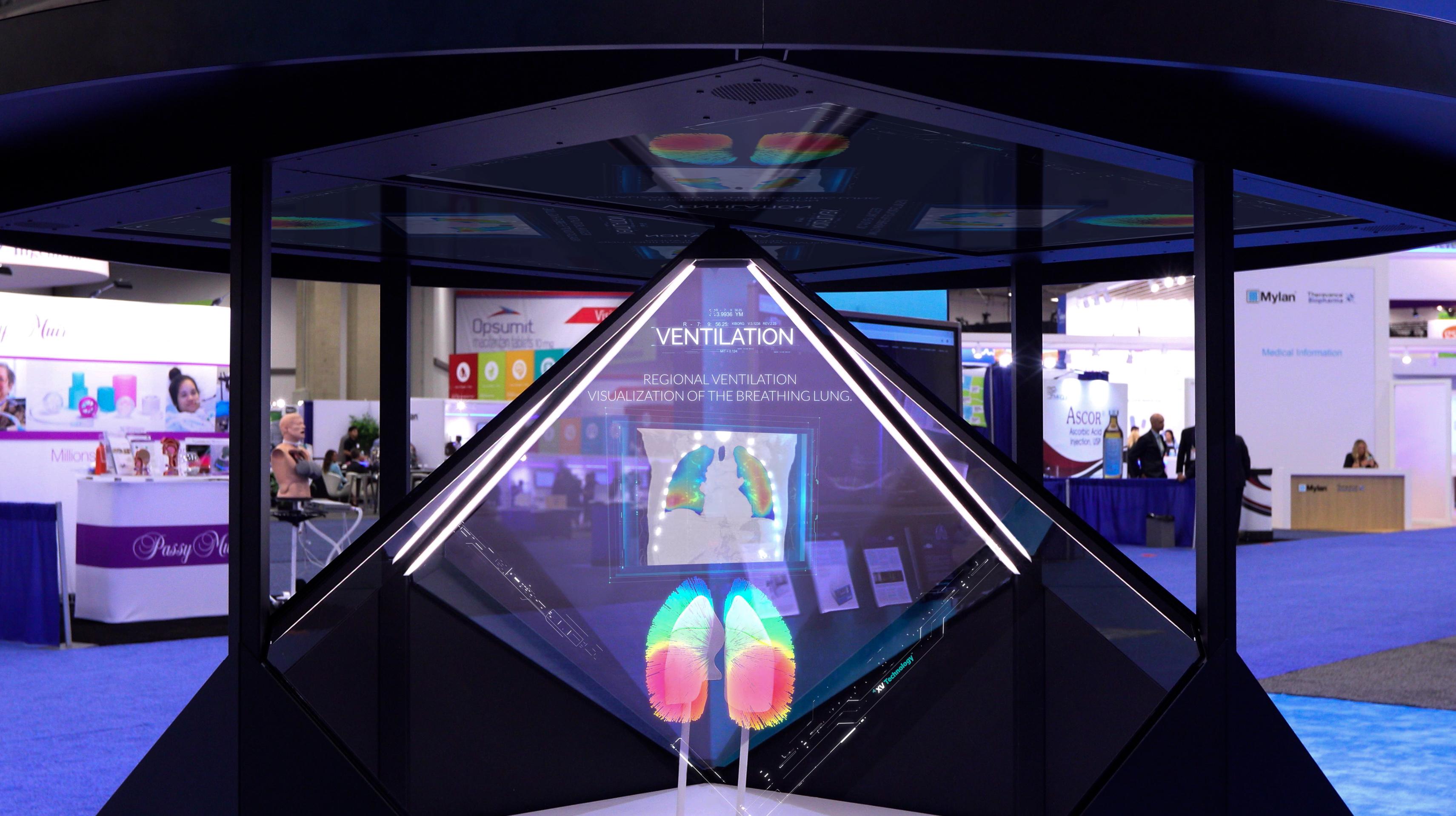
Large holographic displays can showcase rotating molecules, DNA structures, floating organs, and therapy pathways without requiring visitors to wear equipment.
Projection mapping transforms booth walls into living scientific environments featuring beating hearts, neural activity, respiratory systems, and treatment journeys.
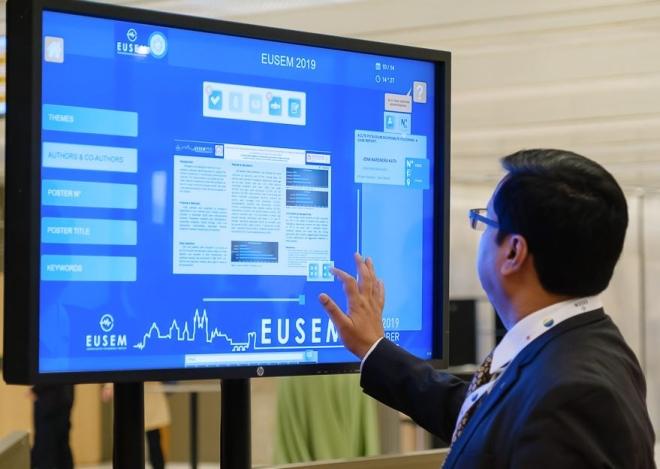
Interactive touch tables allow multiple physicians to simultaneously explore clinical trial data, patient profiles, disease pathways, and treatment algorithms.
These technologies complement VR Activations while attracting larger audiences.
Real-World Examples of Pharma Immersive Activations
Leading pharmaceutical organizations have already demonstrated the value of immersive technologies at international congresses.
Janssen has used Virtual Reality to present complex Mechanism of Action experiences, resulting in increased visitor engagement and stronger message retention.
Bayer introduced immersive diagnostic simulations that encouraged physicians to participate actively rather than passively consuming product information.
OM Pharma combined VR education with Augmented Reality quizzes to differentiate its booth during international vascular conferences.
Roche has invested in customer experience centres that combine VR, AR, and AI technologies to visualize disease pathways and treatment mechanisms.
STERIS successfully deployed educational hospital simulations that maintained continuous engagement throughout major healthcare exhibitions while generating valuable conversations with medical professionals.
These examples demonstrate that immersive technologies are becoming an essential component of modern pharmaceutical event marketing rather than experimental attractions.
Choosing the Right VR Partner for Pharma Conferences
Selecting an experienced technology partner is critical when planning immersive healthcare experiences.
An ideal provider should understand scientific storytelling, medical compliance requirements, conference logistics, and enterprise-grade hardware deployment.
Look for a company capable of delivering complete solutions, including VR headset rentals, technical support, custom software development, branded experiences, analytics, and on-site event management.
Reliable execution ensures that healthcare professionals enjoy seamless experiences while your booth team focuses on meaningful scientific conversations.
Why Pharma Brands Choose FabX Events
FabX Events delivers immersive event technology solutions designed specifically for conferences, healthcare exhibitions, product launches, medical congresses, and pharmaceutical events across India.
Our services include VR Activations, AR demonstrations, Mixed Reality experiences, AI-powered engagement, holographic displays, interactive touch walls, projection mapping, digital gamification, Social Wall integrations, and customized scientific experiences tailored to your brand objectives.
Whether you are launching a new therapy, educating healthcare professionals, demonstrating medical devices, or increasing booth engagement, our end-to-end solutions help create memorable, compliant, and impactful experiences.
Conclusion
The future of pharmaceutical conferences lies in creating experiences that educate as effectively as they engage. As healthcare professionals seek more interactive ways to understand therapies, immersive technologies are becoming indispensable tools for scientific communication and brand differentiation.
From VR-based Mechanism of Action journeys and AI-powered patient simulations to Augmented Reality product visualization, holographic presentations, and interactive educational games, these technologies are redefining how pharmaceutical companies connect with healthcare audiences.
For organizations looking to increase booth traffic, improve scientific storytelling, and create memorable medical congress experiences, investing in well-designed VR Activations is no longer a novelty—it is a strategic advantage. With the right blend of technology, compliance, and creativity, immersive experiences can transform ordinary pharma booths into destinations that educate, inspire, and deliver measurable business outcomes.
Author Bio
Khushboo is a hospitality professional with over 12 years of experience and a degree in Hospitality. As the Corporate Sales Lead at FabX Events, She works closely with businesses, event organisers, and enterprises to provide the right technology rental solutions for conferences, exhibitions, training programmes, corporate events, and business projects. Passionate about technology and event innovation, Khushboo stays up to date with the latest hardware trends and shares practical insights, industry best practices, and expert advice through the FabX Events blog.
FAQs