 Corporate Events Blogs
15 Family Day Activity Ideas
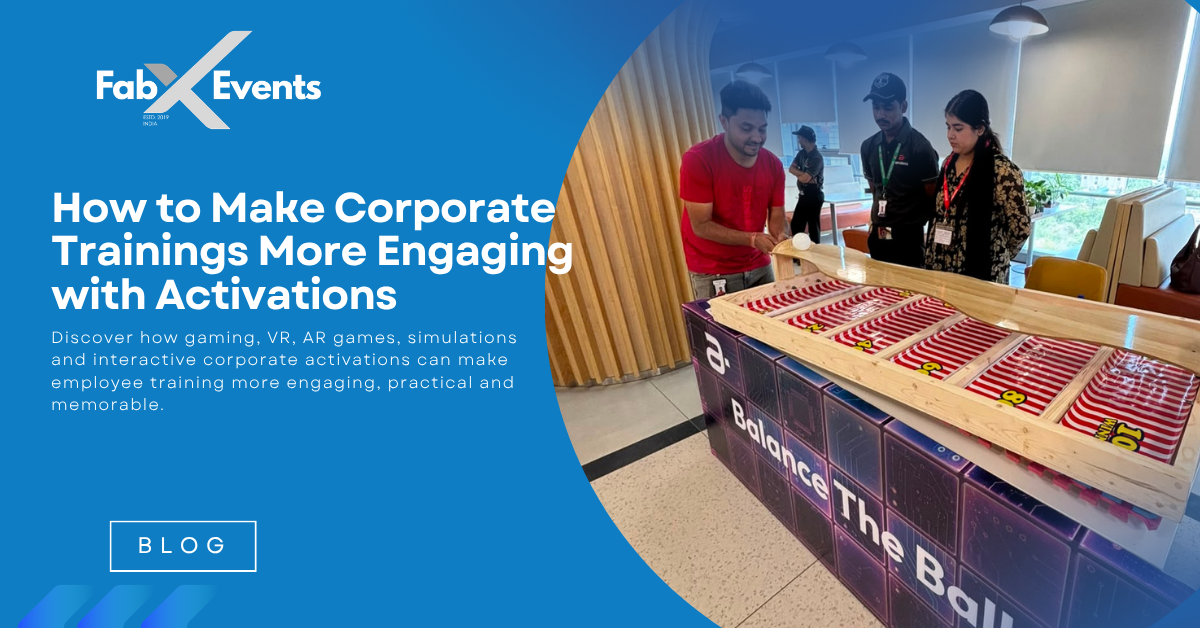
A corporate Family Day is much more than an office picnic or an afternoon of games. It is an opportunity for organizations to bring employees and their families together in a relaxed environment where people can connect, celebrate and create memories outside their usual workplace routines.
Family Day Activity Ideas for Corporates: Fun, Interactive & Memorable Experiences
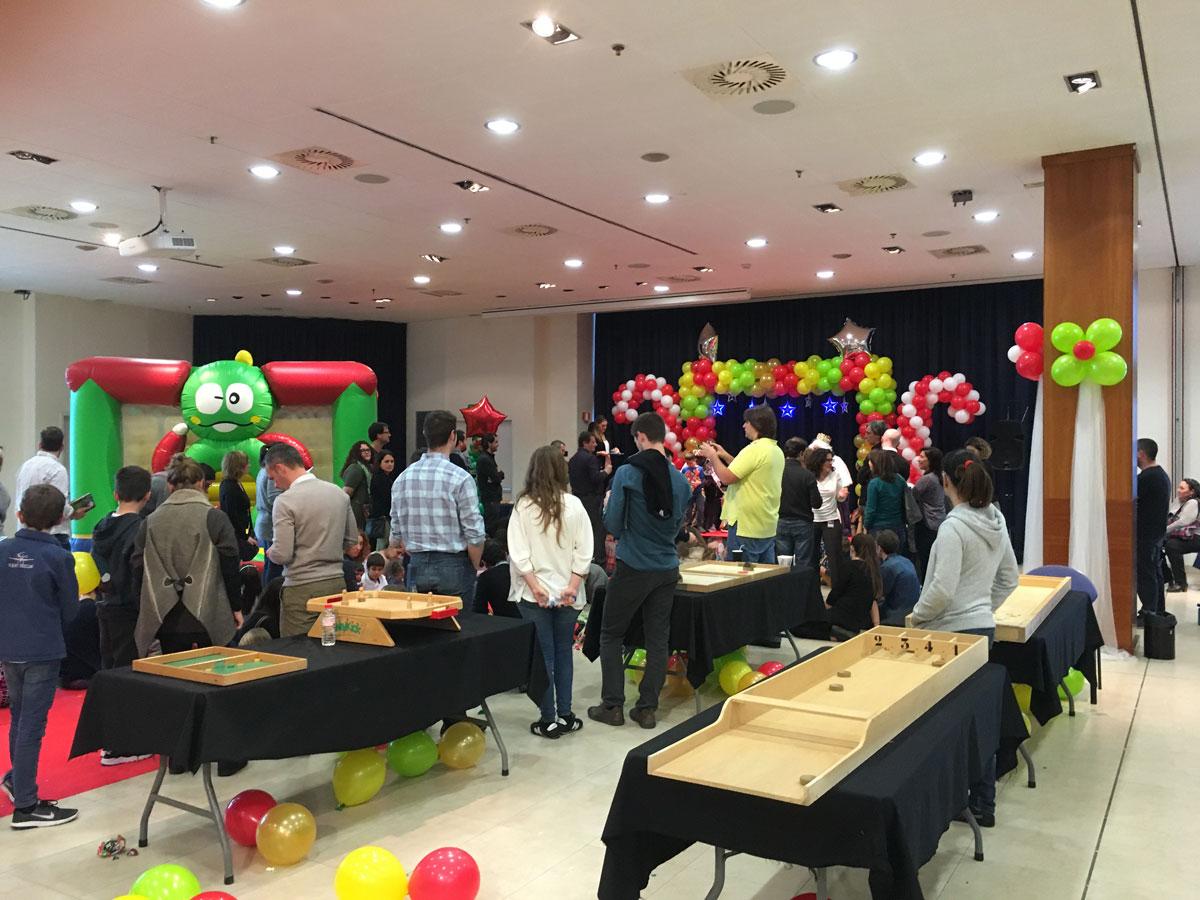
A corporate Family Day is much more than an office picnic or an afternoon of games. It is an opportunity for organizations to bring employees and their families together in a relaxed environment where people can connect, celebrate and create memories outside their usual workplace routines.
Modern Family Days are becoming increasingly experiential. Instead of relying only on food, music and a few traditional games, companies are creating complete entertainment environments with interactive activities, technology-led experiences, creative workshops, sports, competitions, performances and family-friendly engagement zones.
The idea is simple: employees spend a significant part of their lives at work, and their families are an important part of the support system behind them. Inviting families into the company's celebrations can help create a more personal connection with the organization.
Large Indian companies have also incorporated family celebrations into their workplace culture. Reliance, for example, describes its Reliance Family Day as a major celebration involving employees and their families, with indoor and outdoor activities designed around the idea of being one corporate family.
For event planners and HR teams, the challenge is to design activities that work for different generations. Children, teenagers, adults and grandparents may all attend the same event, but they will not necessarily enjoy the same experiences.
That is why the best Family Days are built around variety, accessibility and shared participation.
What Is a Corporate Family Day?
A corporate Family Day is an employee-engagement event where employees are invited to bring their families to a company-organized celebration. It can take place at an office campus, resort, hotel, farmhouse, sports facility, exhibition space or another suitable event venue.
The format can range from a small departmental gathering to a large family carnival involving hundreds or thousands of participants.
The purpose is not simply entertainment. Family Days can help organizations demonstrate appreciation, strengthen relationships and create positive associations with the workplace. They can also give employees an opportunity to introduce their families to colleagues and the environment in which they work.
The most successful events treat family members as guests rather than simply accompanying employees.
This means thinking carefully about seating, food, accessibility, children's activities, entertainment, safety, registration and the overall guest journey.
Why Family Days Are Becoming More Experiential
The traditional corporate family picnic often followed a predictable format: welcome, food, games, music and perhaps a few performances.
That format can still work, but modern audiences have more entertainment choices than ever. A successful event therefore needs moments that actively encourage people to participate.
This is where experiential entertainment becomes valuable.
Instead of simply watching something happen on a stage, guests can play a game, enter a virtual world, create a photograph, solve a challenge, participate in a workshop or compete with another family.
The difference is participation.
A child might remember playing an interactive game. A teenager might remember competing in an arcade challenge. Parents might enjoy a family quiz or sports activity, while grandparents may prefer cultural performances, relaxed entertainment or creative workshops.
A good Family Day creates enough variety for everyone to find something they enjoy.
15 Family Day Activity Ideas for Corporate Events
1. VR Gaming Zones
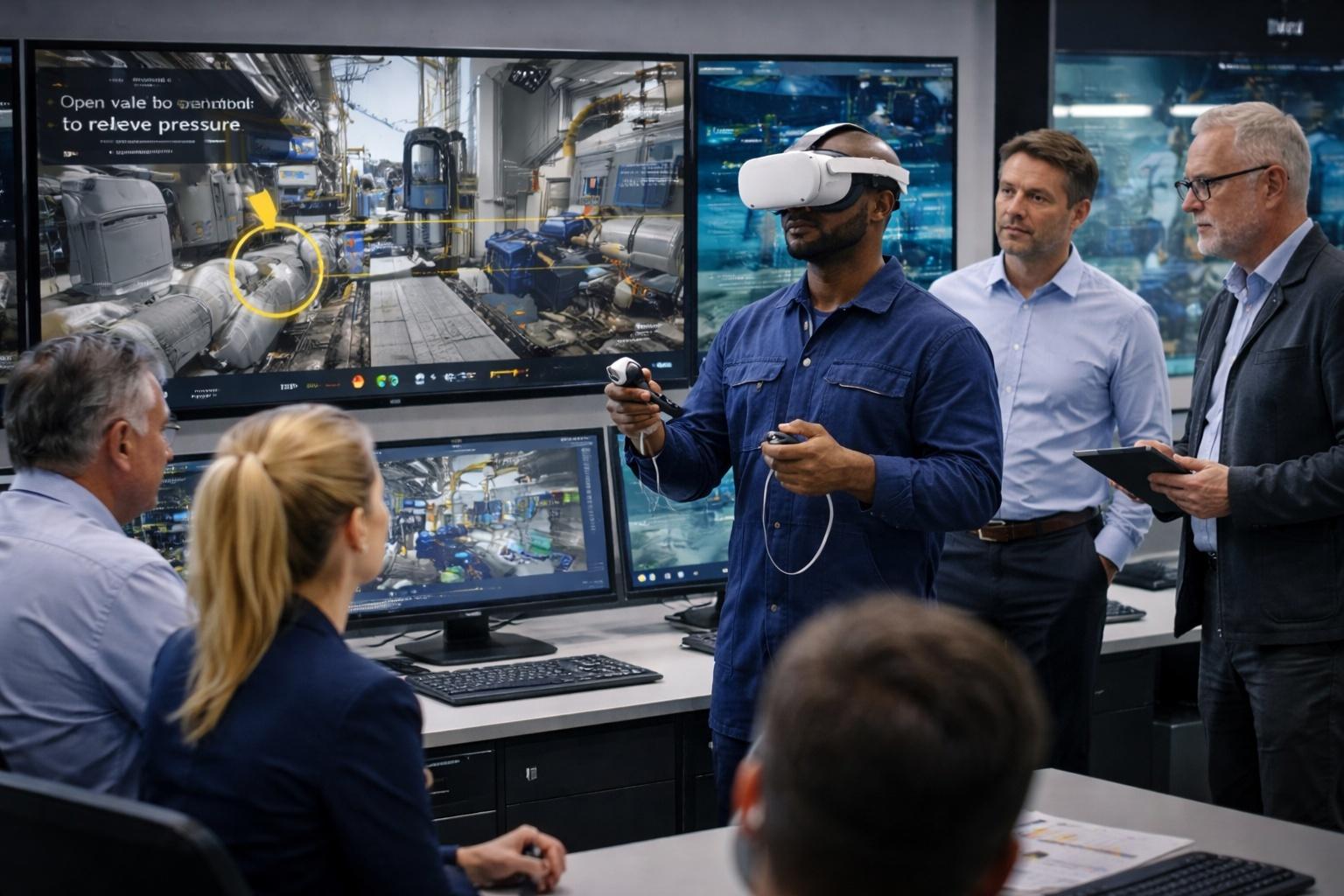
Virtual reality can add a completely different dimension to a corporate Family Day.
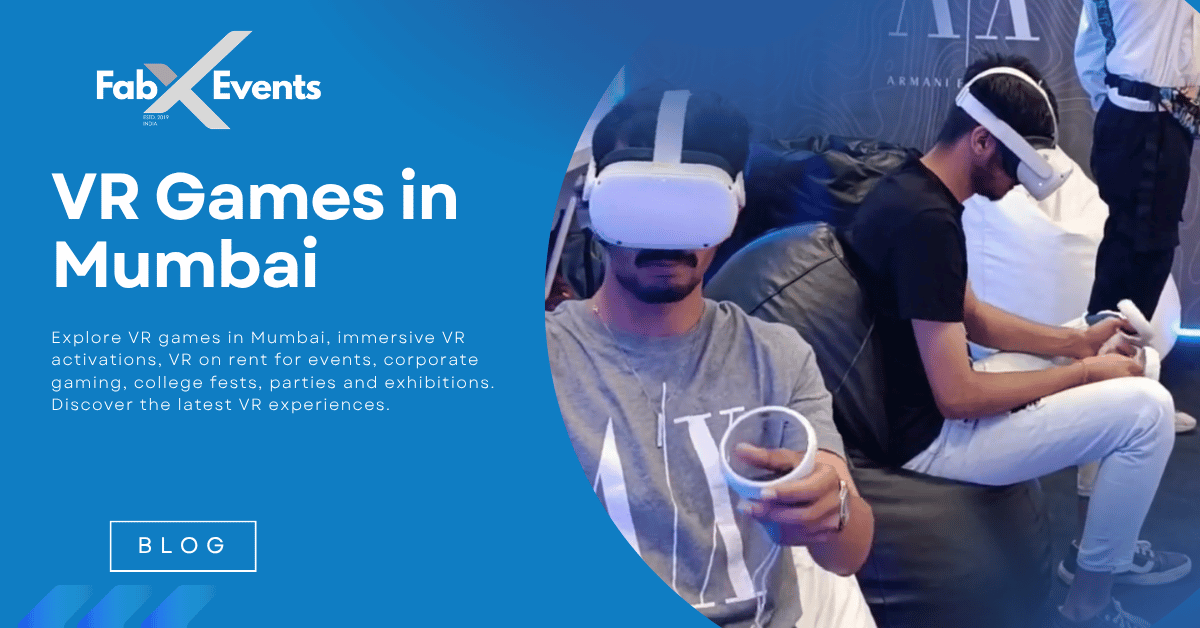
With VR on rent, companies can create temporary gaming zones where participants put on a headset and enter immersive digital environments. Depending on the selected games, guests can experience sports, racing, adventure, shooting, exploration and other interactive formats.
VR is particularly attractive for teenagers and adults, but simplified experiences can also be selected for younger participants where appropriate.
A VR zone works best when there is a trained facilitator who explains the experience, manages queues and ensures participants understand the equipment before playing.
The experience can also be structured as a friendly competition, with scores or timed challenges displayed throughout the event.
2. AI and Interactive Photobooths

Photobooths have evolved significantly beyond traditional instant-photo setups.
Modern photobooths can incorporate AI effects, themed backgrounds, digital transformations, interactive screens and branded experiences. This makes them particularly useful for Family Days because multiple generations can participate together.
Imagine an employee standing with their children and transforming the group into a royal family, superhero team or cinematic character concept.
The resulting image becomes more than event documentation. It becomes a personal takeaway from the celebration.
Photobooths also create natural opportunities for company branding without making the experience feel like an advertisement.
3. Arcade Games
Arcade games are another strong choice for Family Days because they combine familiarity with competition.
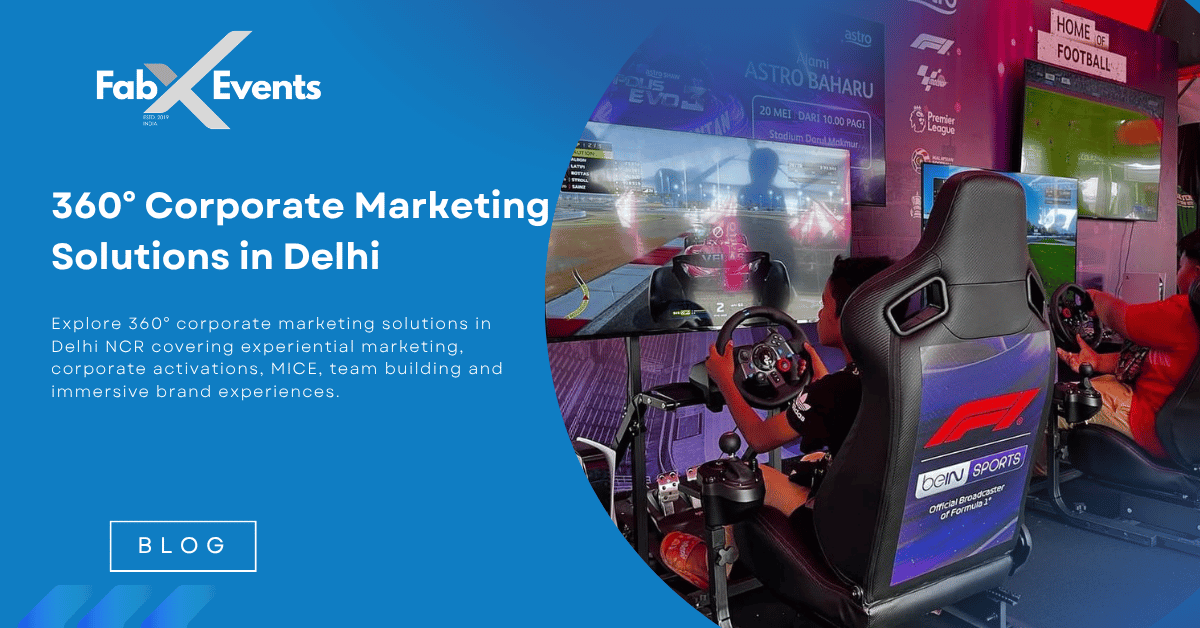
Depending on the event format, the arcade zone can include racing games, basketball challenges, reaction games, shooting games, skill-based machines and other interactive formats.
Arcade Games can be particularly effective when participants receive points, tokens or challenge cards and compete throughout the event.
For larger Family Days, creating a dedicated arcade area helps distribute crowds and gives guests an activity they can return to throughout the day.
4. AR Games and Interactive Challenges
Augmented reality can turn an ordinary event venue into an interactive playground.
AR Games can involve scanning markers, discovering virtual objects, answering questions or completing digital challenges around the venue.
For example, a family could receive a challenge card and visit different stations to unlock digital clues. Each completed challenge could contribute points toward a final prize.
This format combines movement, technology and teamwork without requiring every participant to wear a headset.
5. Carnival and Fun-Fair Games

Classic carnival games remain valuable because they are easy to understand and suitable for a broad audience.
Ring toss, can knockdown, hoop games, ball challenges, mini golf and similar activities can create a relaxed environment where families compete casually.
These games can also be branded around the company theme or event identity.
A well-designed carnival zone works especially well when the objective is to create continuous activity rather than concentrating everything around a stage.
6. Family Sports Competitions
Sports are naturally social and can bring different generations together.
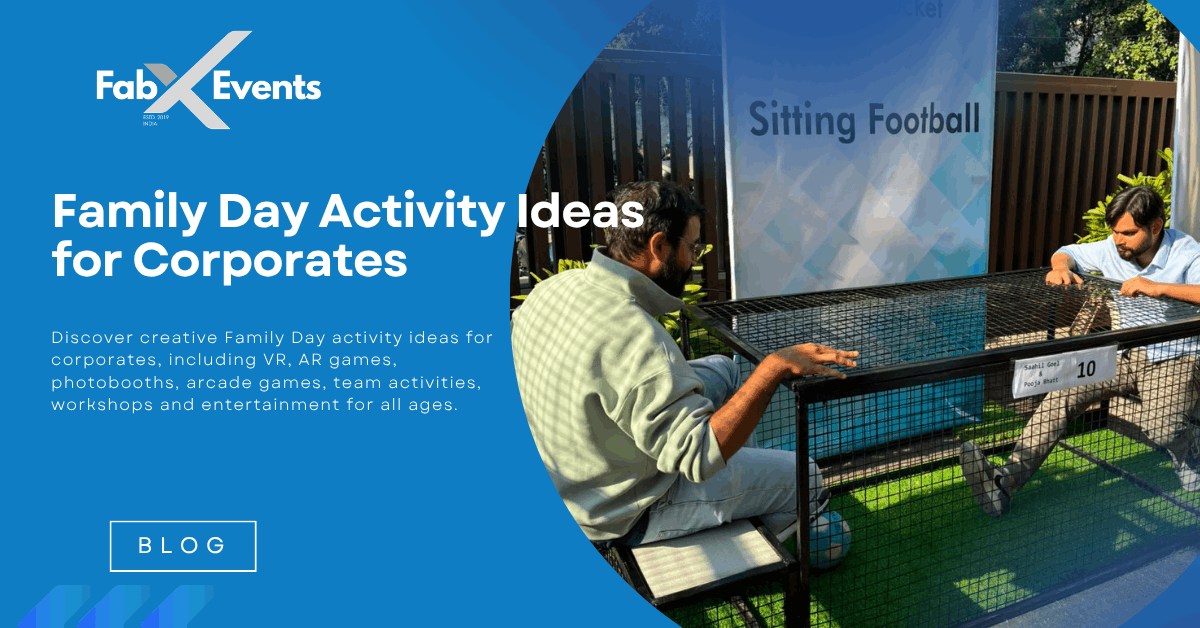
Depending on the venue, companies can organize cricket challenges, football shootouts, badminton, table tennis, relay races, tug of war, basketball shooting contests or other simplified games.
The important thing is to avoid making the competition exclusively athletic.
Family-friendly versions can allow children, parents and grandparents to participate at their own level.
7. Creative Workshops
Not every Family Day activity needs to be competitive.
Creative workshops provide a calmer alternative for guests who prefer making something rather than playing games.
Options can include pottery painting, canvas painting, DIY crafts, clay activities, custom T-shirt creation, candle decoration, plant-based workshops or other guided activities.
These workshops are particularly useful for creating something participants can take home as a souvenir.
8. Interactive Quiz and Game-Show Experiences
A professionally hosted quiz can turn company knowledge and general trivia into entertainment.
Instead of a conventional quiz, the format can be designed like a television game show with buzzers, screens, music and audience interaction.
Questions can cover general knowledge, movies, sports, music and family-friendly topics, with a small number of company-related questions incorporated naturally.
This creates a shared activity without requiring extensive physical space.
9. Magic Shows and Live Performances
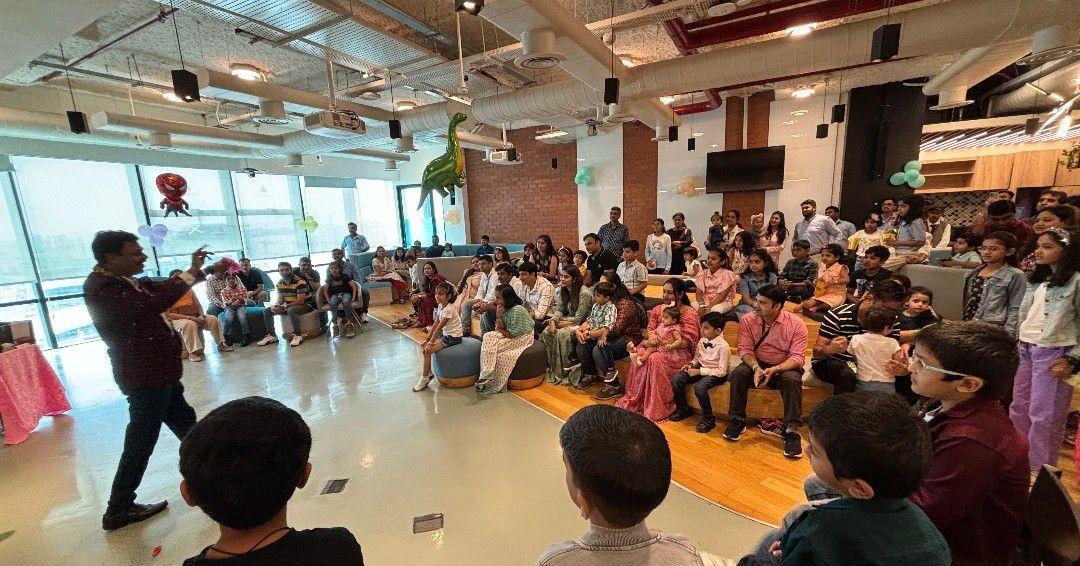
Live entertainment remains an important part of Family Days.
Magic shows, comedy, dance performances, musical acts, puppetry, juggling and interactive stage performances can provide moments where everyone watches together.
For younger children, dedicated performances can keep the energy high, while evening programs can transition toward music and entertainment for adults.
The key is to balance stage programming with activity zones so that guests are not required to sit through the entire event.
10. Kids' Activity Zones
Children often have different energy levels and attention spans from adults.
A dedicated kids' zone can include supervised games, art activities, soft-play elements, balloon activities, storytelling, face painting and age-appropriate challenges.
For safety and comfort, the zone should be clearly defined and professionally supervised.
At larger events, age segmentation can also help. Younger children may need quieter, lower-intensity activities, while older children can participate in more competitive experiences.
11. Team-Based Family Challenges
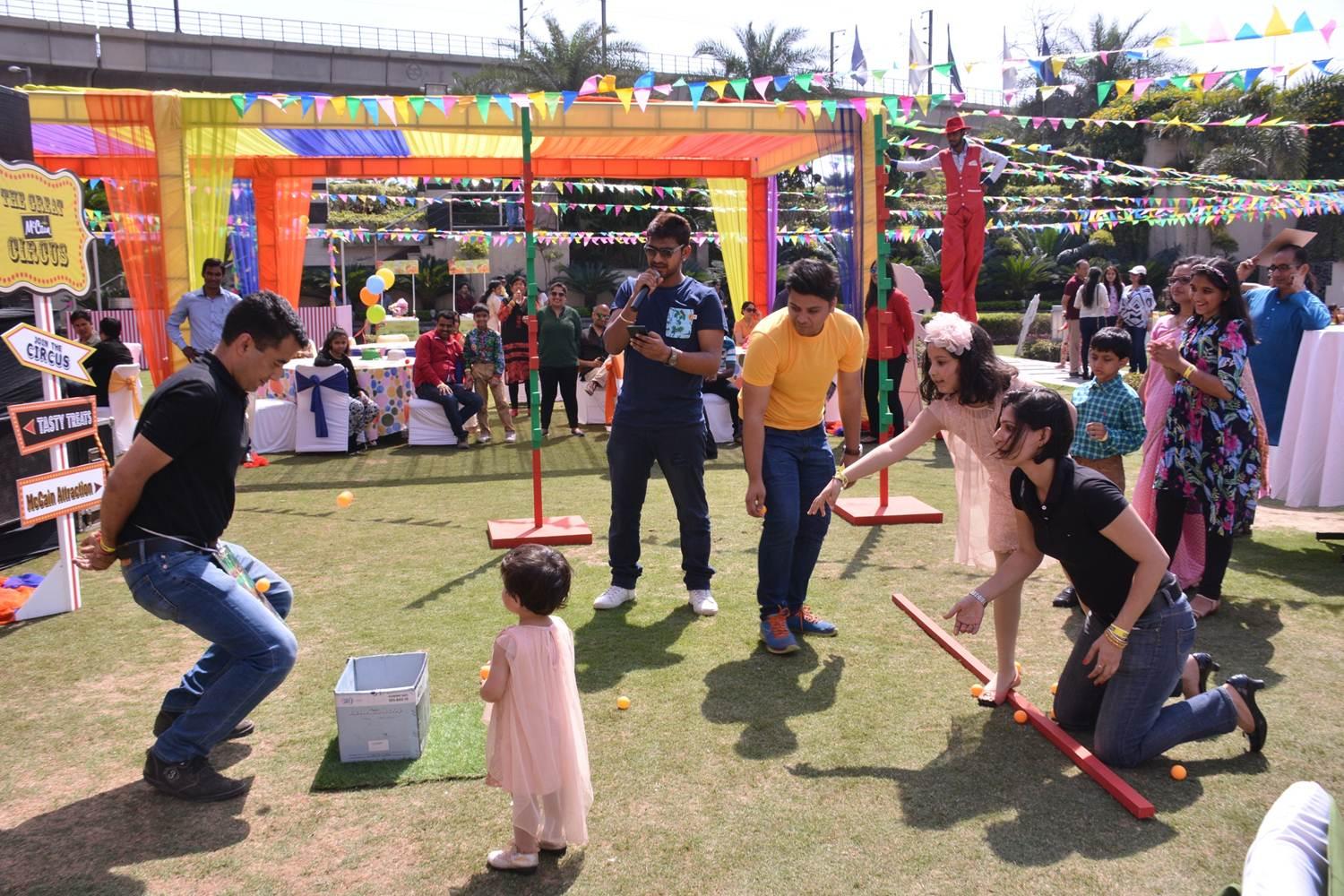
Family Days can also incorporate light team-building.
Rather than separating employees from their families, create mixed teams where employees participate alongside spouses, children or other family members.
Challenges could include puzzle solving, memory games, obstacle courses, creative construction, treasure hunts or timed missions.
The objective should be fun rather than serious corporate competition.
12. Family Treasure Hunt
A treasure hunt can make the entire venue part of the experience.
Participants receive clues that take them from one location to another. Each station can contain a puzzle, physical challenge, photograph task or interactive activity.
The final clue leads to a prize, lucky draw or grand finale.
Digital versions can also incorporate QR codes or AR Games, creating a modern alternative to traditional treasure hunts.
13. Family Talent Show
A Family Day can provide employees and their families with an opportunity to perform.
Children might sing or dance, employees might perform music, and families could participate in group acts.
A professional host can manage auditions, stage transitions and audience participation.
The result is often more personal than hiring entertainment alone because the employees themselves become part of the celebration.
14. Food and Interactive Dining Experiences
Food is naturally one of the central components of a Family Day, but it can also become an experience.
Live counters, dessert stations, regional food corners, mocktail bars, interactive cooking demonstrations and children's food stations can make dining more engaging.
The menu should also consider dietary preferences and age groups rather than assuming that one menu will work for everyone.
15. Photo and Memory Zones
Alongside a Photobooth, companies can create larger memory installations.
A family timeline wall, message board, digital graffiti wall, branded selfie installation or family message station can encourage guests to leave behind a personal note.
These elements can also become useful internal communication content after the event.
How to Create a Family Day That Works for All Ages
The biggest planning mistake is designing the event around only one audience.
A Family Day may include toddlers, school-age children, teenagers, young professionals, parents and grandparents.
Instead of asking, "What is the best activity?", planners should ask, "What combination of experiences will keep different people engaged throughout the event?"
A useful approach is to divide the venue into experience zones.
One area could contain kids' activities. Another could host VR and arcade entertainment. A separate space could be dedicated to workshops and quieter activities. The main stage can handle performances, announcements and the finale.
This allows families to move according to their interests rather than forcing everyone into the same schedule.
Using Technology Without Losing the Human Element
Technology can make a Family Day more exciting, but it should not dominate the event.
VR provides immersion.
AR Games provide exploration.
Arcade games provide competition.
Photobooths provide creativity and memories.
But the strongest experiences still depend on people interacting with one another.
That is why technology should be used as an enabler rather than the entire concept.
A family playing a VR game together, competing in an arcade challenge or taking an AI-generated photograph creates a shared moment. The technology provides the attraction, but the human interaction creates the memory.
How Corporate Activations Can Elevate Family Days
Corporate Activations can turn a standard family event into a branded experience without making the day feel like a promotional campaign.
For example, a company could create an interactive brand zone where families participate in games connected to the company's values.
A technology company could create a futuristic VR experience. An FMCG company could create a sampling and interactive game zone. An automotive company could develop a driving simulator or reaction challenge.
The activation should always fit the audience and the company's identity.
When done correctly, branding becomes part of the experience rather than something placed around it.
Planning the Perfect Corporate Family Day
A successful Family Day starts with understanding the audience.
Before selecting activities, HR and event teams should consider expected attendance, employee demographics, number of children, venue size, indoor or outdoor conditions, duration, budget and accessibility requirements.
The activity mix should then be developed around those factors.
Safety deserves particular attention. Activities should have appropriate supervision, clear instructions and suitable operating areas. Child-focused zones should be managed carefully, while higher-energy activities should have controlled access.
Crowd movement also matters. Popular experiences such as VR, Photobooths and arcade games can create queues, so planners should estimate capacity and provide enough parallel activities.
The event should also have a clear beginning, middle and ending. Registration and welcome can lead into free-flow activities, followed by performances, competitions, meals and a memorable finale.
Why Family Days Matter Beyond One Event
The value of a Family Day is not limited to the event itself.
It can become an expression of workplace culture.
When an organization creates an environment where employees can bring their families, meet colleagues and participate in activities together, the workplace becomes more human and personal.
For employees, seeing their families enjoy the event can create a sense of pride. For family members, it can provide a better understanding of the organization where their loved one works.
That is why Family Days can become an important part of employee engagement strategies rather than simply another item on the corporate events calendar.
Conclusion
The best Family Day activity ideas are not necessarily the most expensive or technologically advanced. They are the ones that encourage people to participate, interact and spend meaningful time together.
VR on Rent can introduce immersive entertainment. Arcade Games can create friendly competition. AR Games can turn the venue into an interactive challenge. Photobooths can capture memories. Creative workshops, sports, performances and family challenges can bring people together without relying on technology at all.
The strongest corporate Family Days combine these formats thoughtfully.
The objective is not to fill a venue with as many activities as possible. It is to create a shared experience where employees, children, spouses, parents and colleagues can laugh, compete, explore, create and celebrate together.
Ultimately, a successful Family Day should leave guests with more than photographs or prizes. It should leave them with a positive memory of the organization and the people they are part of.
Author Bio
Khushboo is a hospitality professional with over 12 years of experience and a degree in Hospitality. As the Corporate Sales Lead at FabX Events, She works closely with businesses, event organisers, and enterprises to provide the right technology rental solutions for conferences, exhibitions, training programmes, corporate events, and business projects. Passionate about technology and event innovation, Khushboo stays up to date with the latest hardware trends and shares practical insights, industry best practices, and expert advice through the FabX Events blog.
FAQs