Understanding AR, VR, and MR: Key Features, Differences & Business Applications | Fabx Events
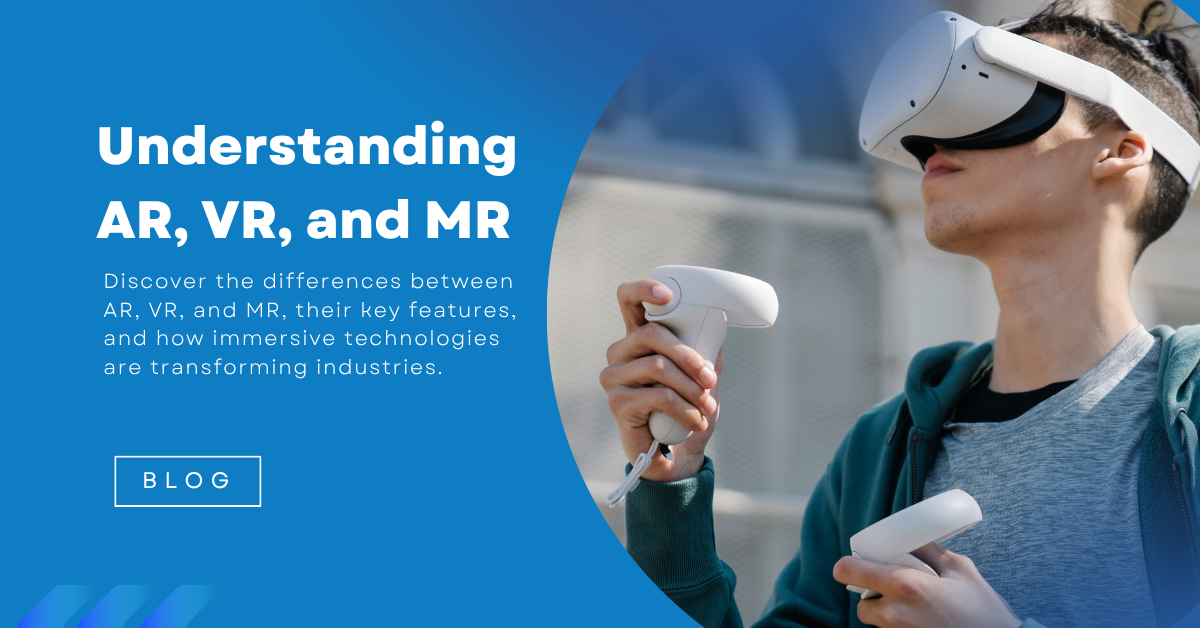
Discover the differences between AR, VR, and MR, their key features, and how immersive technologies are transforming industries. Explore VR AR activations, virtual reality corporate events, and innovative VR activities with Fabx Events.
Understanding AR, VR, and MR: Key Features, Differences & Business Applications
Immersive technology is redefining how people engage with digital environments. From interactive gaming and education to industrial training and virtual reality corporate events, technologies like Augmented Reality (AR), Virtual Reality (VR), and Mixed Reality (MR) are rapidly becoming essential tools for businesses and consumers alike.
Whether you’ve caught virtual creatures in Pokémon Go, experienced a fully immersive VR simulation, or explored holographic interactions through mixed reality devices, you’ve already witnessed the future of digital engagement.
At Fabx Events, we specialize in delivering innovative VR AR Activations that transform ordinary events into unforgettable immersive experiences. From VR corporate events to engaging VR activities for brand launches, exhibitions, and team-building sessions, immersive technologies are helping brands connect with audiences like never before.
In this guide, we’ll break down the differences between AR, VR, and MR, explore their key features, and show how businesses can leverage them for maximum impact.
What Are AR, VR, and MR?
Immersive technologies are often grouped together, but each offers a unique way to blend digital and physical experiences.
What is Augmented Reality (AR)?
Augmented Reality (AR) enhances the real world by overlaying digital elements such as graphics, animations, or interactive information onto physical surroundings.
Examples of AR:
- Pokémon Go
- Instagram and Snapchat filters
- Interactive retail try-on experiences
- AR product demonstrations
- Brand activation campaigns
Key Features of AR:
- Digital overlays on the real world
- Smartphone or tablet accessibility
- Real-time interaction
- Location-based experiences
- Cost-effective implementation
Businesses increasingly use AR for VR AR activations, interactive marketing, and customer engagement at exhibitions and events.
What is Virtual Reality (VR)?
Virtual Reality (VR) creates a completely immersive digital environment where users are transported into a simulated world through specialized headsets.
Unlike AR, VR blocks out the physical world entirely, replacing it with a digital experience.
Popular VR Devices:
- Meta Quest
- HTC Vive
- PlayStation VR
- Pico VR
- Valve Index
Key Features of VR:
- Fully immersive environments
- 360-degree interaction
- Motion tracking
- Hand controllers or gesture controls
- Realistic simulations
VR has become a major driver in virtual reality corporate events, enabling businesses to create memorable experiences for employees, clients, and stakeholders.
Popular VR activities include:
- VR gaming zones
- Virtual racing simulators
- VR escape rooms
- Corporate team-building challenges
- Product visualization experiences
Explore Fabx Events’ internal services:
- VR Gaming on Rent
- Corporate VR Activities
- Virtual Reality Setup for Events
- VR Booth Experiences
What is Mixed Reality (MR)?
Mixed Reality (MR) combines physical and digital worlds, allowing real and virtual objects to coexist and interact in real time.
Unlike AR, MR anchors digital objects within physical space, enabling users to manipulate holograms naturally.
A great example is Microsoft HoloLens, where users can place and interact with 3D holographic objects in their actual environment.
Key Features of Mixed Reality (MR)
Mixed Reality is often considered the most advanced immersive technology because it merges the best of AR and VR.
1. Spatial Mapping and Environment Recognition
MR devices can scan and understand the user’s physical surroundings.
Benefits:
- Virtual objects stay fixed in real-world locations
- Digital objects interact with walls, tables, and physical surfaces
- Enhanced realism and immersion
For example, a virtual machine can be projected onto a factory floor for training or maintenance guidance.
2. Real-Time Interaction with Digital Objects
Users can move, rotate, resize, and manipulate virtual objects using hand gestures.
MR Interaction Methods:
- Hand tracking
- Eye tracking
- Voice commands
- Motion sensors
This creates a highly intuitive and natural experience.
3. Persistent Digital Anchoring
Virtual objects remain anchored even when users move around.
This allows collaborative experiences where multiple users can view and interact with the same digital content.
Applications include:
- Design collaboration
- Engineering visualization
- Medical simulations
- Product demonstrations
4. Seamless Physical-Digital Blending
MR creates believable interactions between real and virtual elements.
Examples:
- Virtual characters sitting on your real sofa
- Digital instructions appearing over machinery
- Interactive holographic product showcases
Importance of Haptic Feedback in Mixed Reality
One of the most exciting developments in immersive technology is haptic feedback.
Haptic technology allows users to feel virtual objects through vibrations, resistance, or tactile sensations.
Why Haptic Feedback Matters
Enhanced Realism
Imagine holding a virtual sword and feeling resistance as you swing it.
This dramatically increases immersion.
Improved Training Simulations
In medical or industrial environments, haptic feedback helps users practice precise tasks.
Examples:
- Surgical simulations
- Equipment handling
- Safety drills
Texture Simulation
Users can feel:
- Rough surfaces
- Smooth materials
- Water flow
- Pressure changes
This opens endless possibilities for advanced VR activities and training modules.
AR, VR, and MR in Business Applications
Immersive technologies are transforming industries worldwide.
How VR AR Activations Are Changing Corporate Events
Businesses are increasingly using VR AR Activations to create memorable and engaging event experiences.
Benefits of VR Corporate Events
1. Audience Engagement
Interactive experiences capture attention better than traditional event setups.
Examples:
- VR product launches
- Virtual tours
- Gamified brand activations
2. Brand Differentiation
Innovative immersive experiences help brands stand out.
Companies using virtual reality corporate events often create stronger recall and social sharing.
3. Data Collection and Analytics
VR and AR experiences provide measurable engagement insights:
- Interaction time
- User behavior
- Preference tracking
4. Hybrid Event Experiences
VR enables remote attendees to participate in immersive digital environments.
Perfect for:
- Conferences
- Product launches
- Employee onboarding
Explore Fabx Events internal pages:
- Corporate Event Entertainment Solutions
- AR VR Activation Services
- Interactive Event Technology Rentals
Mixed Reality in Manufacturing
Manufacturing is one of the biggest beneficiaries of MR technology.
Data Visualization and Analysis
Engineers can view large datasets as interactive 3D models.
Benefits:
- Faster problem identification
- Better workflow optimization
- Reduced production errors
Safety Instructions and Guidance
MR can overlay digital instructions directly onto machinery.
Employees can follow step-by-step holographic guides while working.
Advantages:
- Improved safety
- Reduced training time
- Lower operational risk
Employee Training Simulations
Workers can practice assembly procedures virtually before handling expensive equipment.
Industries using MR training:
- Automotive
- Aerospace
- Electronics
- Heavy manufacturing
AR, VR, and MR in Other Industries
Healthcare
Applications include:
- Surgical assistance
- Pain management
- Therapy and rehabilitation
- Medical education
Education
Immersive learning experiences improve understanding and retention.
Examples:
- Virtual science labs
- Historical recreations
- Interactive classroom lessons
Retail and Marketing
Brands use AR and VR for:
- Virtual try-ons
- Interactive stores
- Product customization
- Promotional VR activities
Entertainment and Events
Fabx Events delivers immersive experiences including:
- VR gaming zones
- Interactive AR photobooths
- Corporate VR challenges
- VR simulators
- Mixed reality showcases
Why Choose Fabx Events for VR AR Activations?
Fabx Events is a leading provider of immersive event technology solutions in India.
What We Offer
Customized VR Corporate Events
Tailored immersive experiences for:
- Team building
- Employee engagement
- Product launches
- Trade shows
- Conferences
Advanced Equipment
We provide:
- VR headsets
- Motion sensors
- AR activations
- VR simulators
- Mixed reality setups
End-to-End Execution
From concept to setup and on-site support, Fabx Events handles everything.
Innovative VR Activities
Popular experiences include:
- VR racing simulators
- Multiplayer VR games
- Virtual roller coasters
- Immersive brand storytelling
- AR engagement booths
Conclusion
AR, VR, and MR are revolutionizing how we interact with digital content and reshaping industries worldwide.
- AR enhances the real world with digital overlays.
- VR immerses users in entirely virtual environments.
- MR merges both worlds for interactive, realistic experiences.
For businesses, immersive technology is no longer optional—it’s a powerful tool for engagement, innovation, and growth.
Whether you're planning virtual reality corporate events, looking for exciting VR activities, or searching for impactful VR AR Activations, Fabx Events can help bring your vision to life.
The future is immersive—and it’s already here.
FAQs About Fabx Events and VR Activities
What are VR AR Activations?
VR AR activations are immersive event experiences that use virtual and augmented reality technology to engage audiences interactively.
How can VR corporate events benefit my company?
VR corporate events improve employee engagement, create memorable brand experiences, and offer innovative ways to showcase products and services.
What VR activities does Fabx Events provide?
Fabx Events offers:
- VR gaming zones
- VR simulators
- Team-building VR challenges
- Virtual product demos
- Interactive immersive experiences
Can Fabx Events customize VR experiences?
Yes. Fabx Events designs tailored immersive solutions based on your event goals and audience.
Are VR activities suitable for corporate team building?
Absolutely. Multiplayer VR games and simulations are highly effective for collaboration, communication, and team bonding.
Does Fabx Events provide AR and Mixed Reality setups?
Yes, Fabx Events offers complete AR, VR, and MR solutions for exhibitions, corporate events, and experiential marketing campaigns.
Where can I book VR activities with Fabx Events?
Visit Fabxevents.in to explore immersive event solutions and book customized VR AR experiences.
Related services
Products connected to this story